
Reliable Solutions for Clogged Kitchen Sink Drains
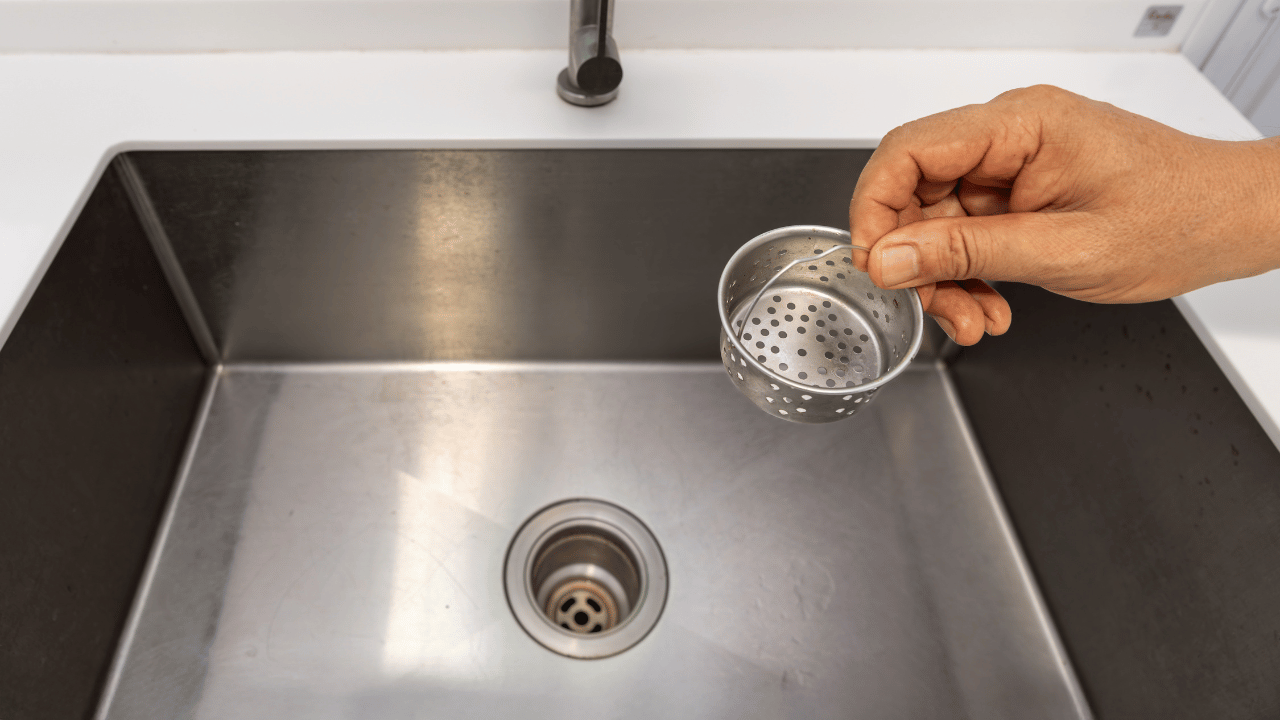
Minor kitchen drain issues often start small — a sluggish sink or a faint smell — but left alone they can turn into sewage backups, cabinet damage, and health hazards. Below, we explain the common causes of kitchen drain clogs, how pros diagnose and fix them, and how routine care prevents repeat problems in the Tulsa and Owasso area. You’ll get practical troubleshooting tips, clear differences between snaking and hydrojetting, why camera inspections matter, and what to expect price-wise when you schedule service. We also cover prevention steps and our membership options so you can cut long-term repair costs and avoid surprise service calls. Throughout, we include helpful search terms like kitchen drain cleaning, hydrojetting kitchen drain, and camera inspection kitchen drain to help you find the right solution quickly.
TL;DR
Minor kitchen drain issues can escalate to serious problems like sewage backups and damage.
Common causes of clogs include grease, food scraps, and soap scum buildup.
Professional diagnosis, often with camera inspections, is key to effective clog removal.
Hydrojetting is highly effective for clearing stubborn grease and restoring full pipe flow.
Prevent clogs with daily habits (e.g., sink strainers, avoiding grease) and regular professional maintenance.
Half Moon Plumbing offers upfront pricing and VIP membership benefits for long-term savings.
What Causes Kitchen Drain Clogs in Tulsa and Owasso?
Most kitchen clogs happen when grease, food, or soap builds up and narrows the P-trap or drainpipe until water slows or stops. Everyday habits — pouring cooking oil down the sink, rinsing fibrous scraps, or misusing the garbage disposal — speed that buildup and leave sticky residues that trap more debris. Hard water minerals and soap scum roughen pipe walls, helping grease and particles stick. Because these deposits can harden, professional cleaning that removes both soft and baked-on material is often needed to fully restore flow. The next section explains how grease and food physically block drains and why some DIY fixes only help temporarily.
Typical causes we see again and again:
Grease and cooking oils that cool and solidify on pipe walls.
Food scraps and fibrous wastes (coffee grounds, potato peels) that clump together.
Soap scum, detergent residue, and mineral scale that narrow the pipe.
Foreign objects or garbage disposal misuse that create mechanical jams.
Old pipes or scale buildup that reduce flow over time.
Knowing these root causes points the way to both prevention and the right professional fix, which we outline next.
How Grease and Food Particles Block Kitchen Drains
Grease flows down as a liquid then cools in the P-trap and horizontal runs, leaving a sticky film that captures food particles and narrows the pipe. Over time that film thickens, flow becomes turbulent, and more solids get caught in layered blockages that resist plunging and drain chemicals. Fibrous fragments weave together, soap scum binds the mess into tougher masses, and chemical cleaners often only soften the top layer while leaving hardened deposits behind — sometimes damaging pipe material. That’s why mechanical removal, and hydrojetting when needed, usually gives the most lasting results.
When to Call for Professional Kitchen Drain Cleaning
Certain signs mean the problem is past a quick DIY fix: persistent slow drainage after plunging, gurgling noises as air moves through trapped water, recurring foul smells, or backups into the sink or adjacent fixtures. If you notice two or more of those signs, the clog is likely deeper and needs diagnostic inspection. Short-term homeowner steps are simple: stop using the sink, avoid chemical cleaners that can harm pipes, and try running hot water to flush minor grease. For stubborn or worsening symptoms, schedule a professional evaluation to avoid bigger damage and costly repairs.
How Half Moon Plumbing Diagnoses and Clears Kitchen Drains
Our kitchen drain service follows a clear diagnostic path so we fix the real problem, not just the symptom. We start with a visual check and background questions to narrow likely causes. When needed, we run a camera inspection to locate the clog and assess pipe condition. From there we select the safest, most effective method — snaking, hydrojetting, or repair — based on what the inspection shows. That evidence-first approach reduces unnecessary work, protects your pipes, and gives predictable results. Our technicians follow the same diagnostic workflow every time and walk homeowners through options before any work begins.
Combining inspection with the right method cuts repeat calls and hidden costs. Below we explain why hydrojetting is often the best choice for kitchen grease.
Benefits of Professional Hydrojetting for Kitchen Drains
Hydrojetting uses high-pressure water to blast away grease, soap scum, mineral scale, and lodged debris along the pipe interior — restoring the full diameter without harsh chemicals. It’s especially effective for kitchens where fats and sticky residues have bonded to pipe walls. When a trained technician performs hydrojetting after a camera inspection, it clears bonded layers, flushes debris downstream, and reduces the need for repeated snaking. Typical results: faster drainage, fewer odors, and a lower chance of unexpected service calls in the months that follow.
Why Camera Inspections Matter
Camera inspection gives a direct view of the clog location, what’s blocking the line, and the pipe’s condition (intact, corroded, or cracked). That prevents guessing and allows us to pick the least invasive, most effective solution: a short snake for a local jam, hydrojetting for adhesive buildup, or repair for damaged sections. We also provide video documentation so you can see the issue and approve the recommended work. In practice, camera inspections save time and money by avoiding unnecessary procedures.
Risks of DIY Kitchen Sink Clog Removal
Home fixes — pouring chemical cleaners, using a snake without training, or taking traps apart without the right tools — can harm pipe linings, push clogs deeper, or expose you to dangerous fumes and bacteria. Chemical products may offer a short-lived fix but can weaken some pipes and react badly with other substances. Incorrect snaking can puncture older pipes or move blockages into harder-to-reach zones. For suspected structural issues or stubborn clogs, calling a pro is usually the safer and more cost-effective choice.
How Homeowners Prevent Kitchen Drain Clogs with Regular Maintenance
Preventing clogs is a mix of daily habits and periodic professional care that removes early buildup before it hardens. Simple daily actions — use a sink strainer, don’t pour fats down the drain, and toss fibrous scraps in the trash or compost — limit new deposits. Periodic professional steps — camera inspections, snaking, or scheduled hydrojetting — clear residue that home methods can’t remove. A planned maintenance program moves plumbing from reactive repairs to proactive care, cutting unexpected service calls and extending pipe life. Below we describe our VIP membership, which bundles preventive services for regular homeowners.
Stick to these steps to reduce unexpected failures and know when to call a pro. The section below explains VIP member perks that help extend kitchen drain life.
VIP Membership Benefits for Kitchen Drains
Our VIP membership turns one-off calls into scheduled preventive care and includes perks that lower lifetime plumbing costs: no service call fees, exclusive discounts on major services, and annual safety inspections that can include a main drain camera check. Members get prioritized maintenance that catches issues early, annual inspections that identify problems before they become major problems, and discounted hydrojetting or repairs when needed. For homeowners who value reliability and want fewer surprises, membership often delivers better long-term value.
Simple Tips to Avoid Kitchen Drain Blockages
Consistent small habits make a big difference. Use a strainer for food particles; wipe greasy pans with a paper towel before washing instead of rinsing oil into the sink; avoid fibrous scraps like celery or onion skins in the disposal; and run hot water after heavy cooking to help move oils. If slow drainage or odors return despite these habits, schedule a camera inspection to check for hidden buildup or pipe wear. These preventive steps reduce the need for stronger interventions and help keep drains flowing.
Typical Costs for Kitchen Drain Services in Tulsa and Owasso
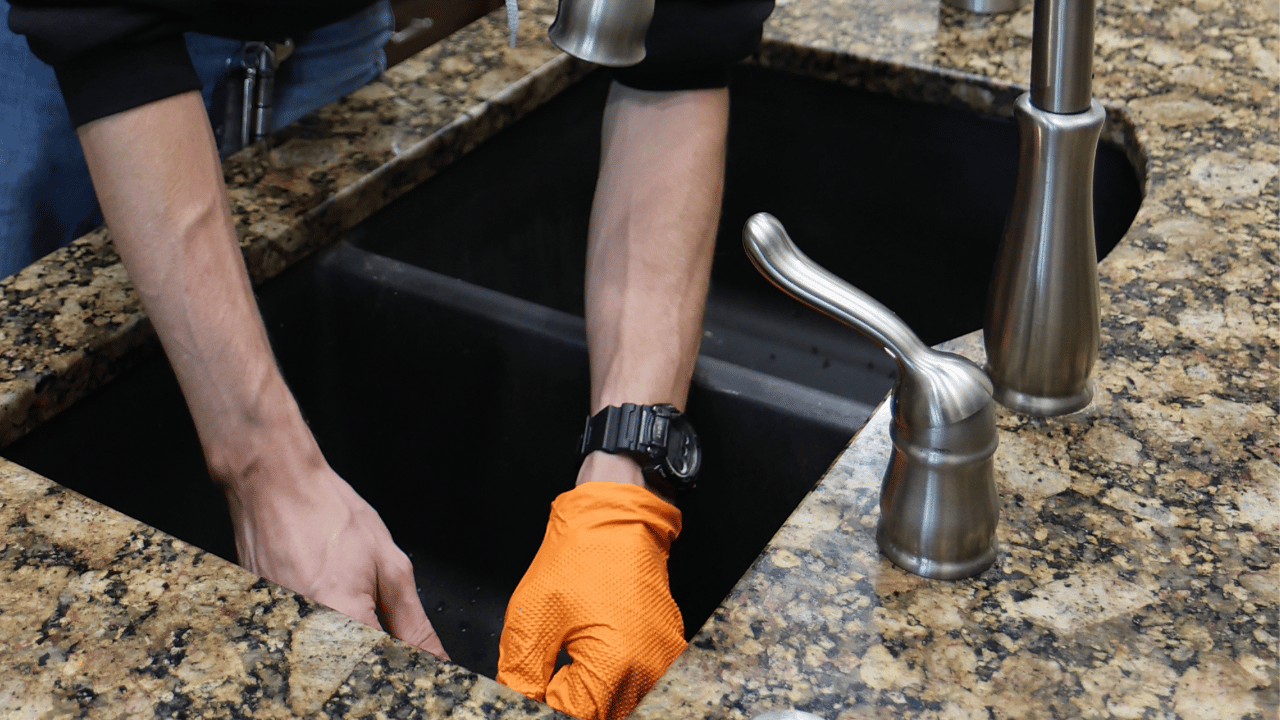
Pricing varies with the job: the type of service, the clog’s severity and location, and whether diagnostics like a camera inspection are needed. Basic snaking usually costs less than hydrojetting, which needs specialized equipment and more time but often lasts longer on heavy buildup. Camera inspections add diagnostic clarity and are often recommended before hydrojetting or repairs to avoid unnecessary work.
To choose the most cost-effective path: start with inspection and localized clearing when appropriate, move to hydrojetting for extensive buildup, and reserve repairs for structural problems found on inspection. To schedule service or ask about VIP discounts, call 918-205-2487; VIP members receive exclusive discounts and prioritized scheduling.
How We Deliver Upfront Pricing with No Surprises
We provide a clear estimate after diagnostic steps — often following a camera inspection or initial assessment — so you know expected parts and labor before work begins. Our technicians explain possible add-ons and conditions that might change the estimate, like access issues or damaged pipe sections, and get your approval before proceeding. That transparent approach helps avoid surprise charges and makes it easy to compare options such as immediate snaking versus longer-lasting hydrojetting.
Discounts and Special Offers for Kitchen Drain Cleaning
Discounts and seasonal offers are commonly tied to our membership and promotions; the VIP Membership specifically waives service call fees and includes exclusive discounts on major services. If you’re considering regular maintenance, weigh whether waived call fees and discounted rates offset the membership fee over time. To confirm current offers or membership details, call 918-205-2487, and our team will explain available promotions and pricing.
Frequently Asked Questions About Kitchen Drain Services
Here are short, practical answers to the questions homeowners ask most often. These cover timing, safety, typical methods, and what to expect, including camera inspections, hydrojetting, and preventive membership benefits.
How Long Does a Kitchen Drain Cleaning Service Take?
Time varies by method and severity. A basic snaking and cleanup for a local clog often finishes in about an hour. A combined camera inspection and hydrojetting session typically takes one to three hours, depending on pipe length and buildup. Camera inspections alone usually take 20–40 minutes and often reduce overall repair time by guiding the right solution. Major repairs or pipe replacement add time and may require scheduling for parts or permits. A diagnostic first helps set realistic expectations.
Is Hydrojetting Safe for All Kitchen Pipes?
Hydrojetting is safe for most modern drain materials when done by trained technicians, but it’s not recommended for older or severely compromised piping that could be damaged by high pressure. A camera inspection beforehand identifies pipe material and any corrosion or structural problems, so we can choose hydrojetting or a gentler mechanical method. When the pipe is suitable, hydrojetting clears deposits without chemicals and can improve long-term performance. Professional assessment ensures the safest, most effective choice for your system.
To book service or ask about VIP Membership and scheduling, call 918-205-2487. Our team will explain upfront pricing, membership benefits (including waived service call fees and discounts), and availability for routine visits.
Key takeaways: Daily habits plus periodic professional inspections reduce unexpected issues. Camera inspections guide safe, cost-effective interventions. Hydrojetting provides longer-term cleaning for heavy grease when pipes are suitable.
Next steps for recurring issues: Start with a camera inspection if clogs keep returning. Consider VIP membership for scheduled prevention and discounts.
This article ends here after the final provided heading.
Clear Kitchen Clogs Now
Professional kitchen drain care not only clears immediate clogs but also prevents future problems through targeted maintenance. Understanding what causes clogs and how technicians diagnose and fix them helps you make smart choices for lasting results. With options like camera inspections and hydrojetting, you can reduce repeat issues and gain peace of mind. Explore our services and schedule an inspection today to keep your kitchen drains flowing smoothly.