
Quick and Easy Garbage Disposal Repair Made Simple
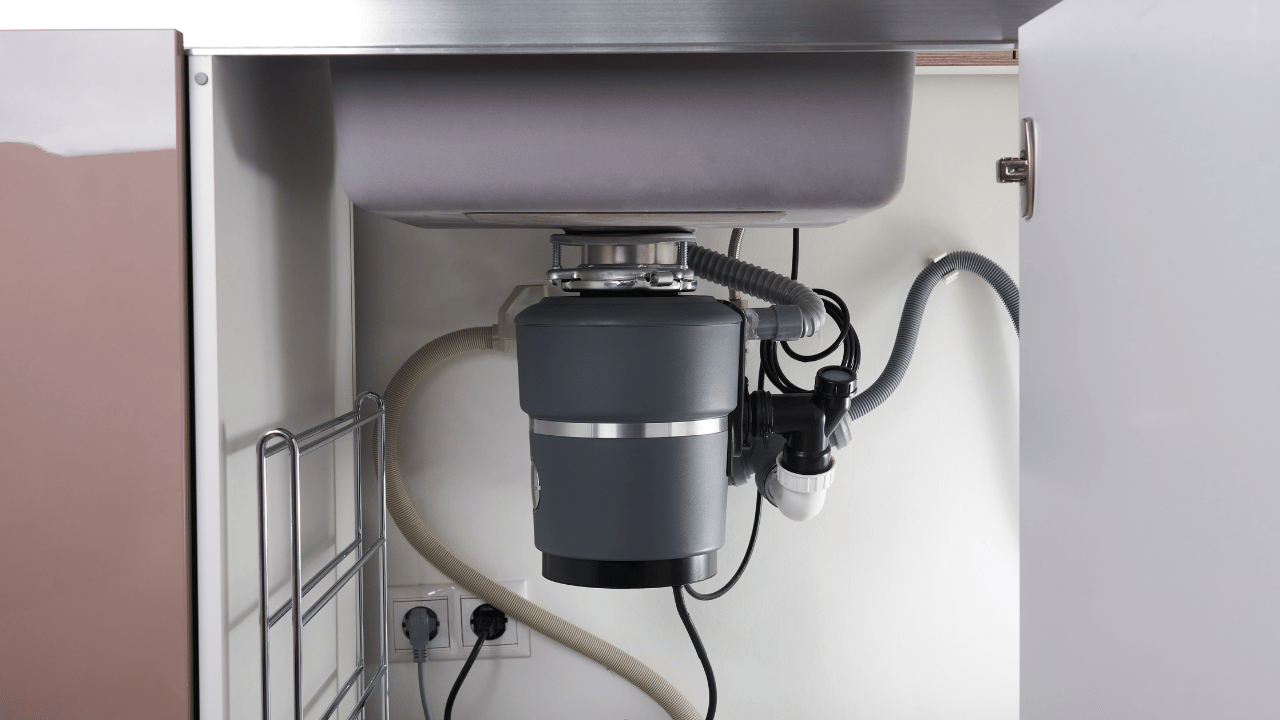
Garbage disposal repair and installation combine electrical, plumbing, and appliance know‑how to keep your kitchen drain running and prevent water damage for homes in Tulsa and Owasso. This guide walks through how disposals work, the common ways they fail, and practical steps homeowners can take to diagnose humming, leaks, or motor problems — plus clear signs when a pro is the safer choice. You’ll find help choosing the right unit by horsepower and features, side‑by‑side brand notes, and straightforward advice on when to repair or replace based on costs and local factors. We also include step‑by‑step maintenance tips, quick troubleshooting checks, and answers to the questions homeowners ask most. If you prefer hands‑on help, Book Service Calls to schedule an on‑site diagnosis or installation with our local team. Read on for easy diagnostic tables, brand comparisons, maintenance checklists, and Tulsa/Owasso cost guidance.
TL;DR
Common Problems: Jams, leaks, motor failures, and odors are frequent issues.
DIY vs. Pro: Learn safe first steps for troubleshooting (reset, Allen wrench) and clear signs when professional help is needed.
Choosing a New Unit: Match horsepower (1/3 HP to 1 HP+) and features (sound insulation, stainless steel) to your household needs.
Repair or Replace: Decide based on unit age (8-12 years lifespan), repair costs, and severity of damage.
Maintenance Matters: Regular cold water flushing, grinding ice/citrus, and avoiding grease extend unit life.
Half Moon Plumbing: Offers licensed, insured service, transparent pricing, and VIP membership benefits for Tulsa & Owasso.
FAQs: Quick answers on how to reset a jammed disposal and when to hire a pro for installation.
What Are the Most Common Garbage Disposal Problems We Repair?
Most service calls come from a handful of predictable problems: jams, leaks, worn bearings, motor failures, and persistent odors. Each issue has its own clues and typical professional fixes. Spotting trouble early cuts the chance of additional damage like sink leaks or clogged drains. Below we list the common symptoms homeowners see, safe first steps to take, and how technicians diagnose the root cause to recommend repair or replacement. Knowing these common problems helps you take quick, safe action and decide whether to try a simple reset or call a tech.
Homeowners usually notice a few clear signs that point to a specific problem and the right next step. Use these signals to decide between a quick fix and a service call — the next section gives immediate actions you can take to stay safe.
Common disposal symptoms and quick homeowner actions:
Humming but no grinding: Cut power and try clearing a jam with an Allen wrench at the flywheel.
No power / dead unit: Press the reset button and check the breaker; never stick your hand into the unit.
Leaks under the sink: Check the sink flange, drain fittings, and dishwasher hose; set a bucket under the leak to limit water damage.
Loud grinding or metal‑on‑metal noise: Stop using the disposal — a foreign object is likely stuck in the grind chamber.
Persistent bad smell: Run cold water and grind citrus peels or ice with rock salt; schedule a professional cleaning if the odor remains.
These symptom/action pairs give clear, safety‑first steps and show when professional help is the best option. The diagnostic table below ties specific symptoms to likely causes and the typical service response.
How Can You Tell If Your Garbage Disposal Is Jammed or Not Working?
A jammed disposal usually hums and resists manual rotation; an electrical or motor failure makes no sound at all. Start by switching the unit off at the wall and, when possible, at the breaker to fully isolate power before checking anything. Press the reset button on the unit’s underside — that often clears an overload. If you still hear humming, insert the correct Allen wrench into the flywheel socket and rotate the impeller to free the jam. If there’s no sound after pressing reset and the breaker is fine, the problem is likely electrical or motor‑related and should be diagnosed by a technician.
Telling jam apart from motor issues prevents unnecessary repairs and keeps you safe. That leads into leak causes and how pros fix them.
What Causes Garbage Disposal Leaks and How Are They Fixed?
Leaks most often start at the sink flange, the dishwasher hookup, the drain trap, or from cracks in the grind chamber. Finding the source tells you whether a simple seal replacement will do or a full unit swap is needed. To spot a leak, place a dry paper towel or tissue under the unit and run water briefly while watching each connection; a plumber will also inspect the mounting flange and the unit body for hairline cracks. Pro repairs range from resealing and tightening fittings to replacing gaskets, installing a new flange, or swapping the disposal if the grind chamber is corroded. Because leaks can damage cabinets and floors, prompt professional service limits harm and ensures repairs meet local plumbing codes.
Accurate leak diagnosis lowers the chance of repeat calls and helps decide if repair or replacement gives the best value — we cover that next.
How Do You Choose the Right Garbage Disposal for Installation or Replacement?
Picking the right disposal starts by matching horsepower and features to household size and how you use the kitchen. Motor power, construction material, and noise‑reduction features affect longevity and satisfaction. Continuous‑feed models are good for busy family kitchens, while batch‑feed units offer extra safety. Choose stainless steel grinding parts over cheaper metals for better corrosion resistance. Balance budget, warranty, and local parts/service availability. Below we compare common brands and list key features to help Tulsa and Owasso homeowners choose a model that fits daily needs and long‑term expectations.
Brand and feature choices usually come down to noise, horsepower, material quality, and local service familiarity.
Use these horsepower and feature recommendations when picking a unit:
Small households / light use: 1/3 to 1/2 HP — fine for occasional use and softer scraps.
Average family kitchens: 3/4 HP — a versatile choice for regular meal prep.
Heavy use or large households: 1 HP or more — built for heavy loads and long service life.
These guidelines help match horsepower to typical household demand. The next section explains feature trade‑offs to guide your final pick.
Which Garbage Disposal Brands Are Best for Tulsa & Owasso Homes?
For local homes, choose brands that balance durability, parts availability, and local technician familiarity. InSinkErator, Waste King, and Moen are solid options depending on your priority. InSinkErator often leads on sound insulation and warranty support, Waste King gives strong motor performance at a lower price point, and Moen focuses on sturdy mounting and flange design to reduce leak risk. Local technician experience and parts supply matter — picking a widely supported brand usually means faster repairs and less downtime.
Local availability and technician familiarity affect long‑term serviceability, which helps when choosing horsepower and features that match those brand strengths.
What Horsepower and Features Should You Consider for Your Kitchen Disposal?
Horsepower affects grind capacity and resistance to jams: 1/3–1/2 HP for light use, 3/4 HP as a solid mid‑range choice, and 1 HP+ for heavy or commercial‑style use. Useful features include anti‑jam systems, sound insulation, stainless steel grinding components, and service‑friendly mounting assemblies. Stainless steel and noise controls improve comfort and longevity; anti‑jam and overload protection help if you often grind tougher scraps. These choices affect price and installation time, so balance upfront cost against expected lifespan and likely repair frequency to find the best long‑term value.
Feature choices feed directly into repair vs. replacement decisions and local cost expectations, which we cover next.
When Should You Repair vs. Replace Your Garbage Disposal?
Repair vs. replacement depends on unit age, how often it breaks, parts and labor cost, and whether core components are damaged. Generally, disposals older than 8–12 years or those with corroded grind chambers and repeated motor failures are better replaced. Single, recent issues like a jam or a leaking seal are often worth repairing. Compare total expected repair costs to the price of a new unit and its expected life — if repairs approach half the cost of replacement or problems recur, replacement is usually the better investment. The table below summarizes typical cost ranges and decision cues for Tulsa and Owasso homeowners.
When dealing with a failing garbage disposal, the decision to repair or replace the unit is primarily driven by the complexity of the issue, the age of the unit, and the associated cost range for each option.
Repair Options
A simple Repair focusing on issues like a seal, jam, or gasket typically falls into the $75–$250 cost range. This option is recommended when the Decision Cue is a single, recent failure and the unit body is sound and not showing signs of internal corrosion. A more significant fix, like a Motor or major component repair, is more expensive, costing between $200–$450. This is an economically viable option if the motor can be salvaged and the unit is less than 8 years old.
Replacement Option
The final option is Replacement of the entire unit, which includes a new unit and professional installation, with a cost range of $400–$900. The primary Decision Cues that warrant a full replacement include a corroded body, a history of repeated failures, or if the unit is older than 8–12 years, as major component failure in an older unit signals its limited remaining lifespan.
This cost is a baseline — local labor rates and part availability will affect final quotes. For an accurate, on‑site estimate, Book Service Calls to schedule a technician visit and diagnosis. If you want a precise assessment for your specific setup, Book Service Calls to arrange an on‑site evaluation.
What Factors Determine If Repair or Replacement Is More Cost-Effective?
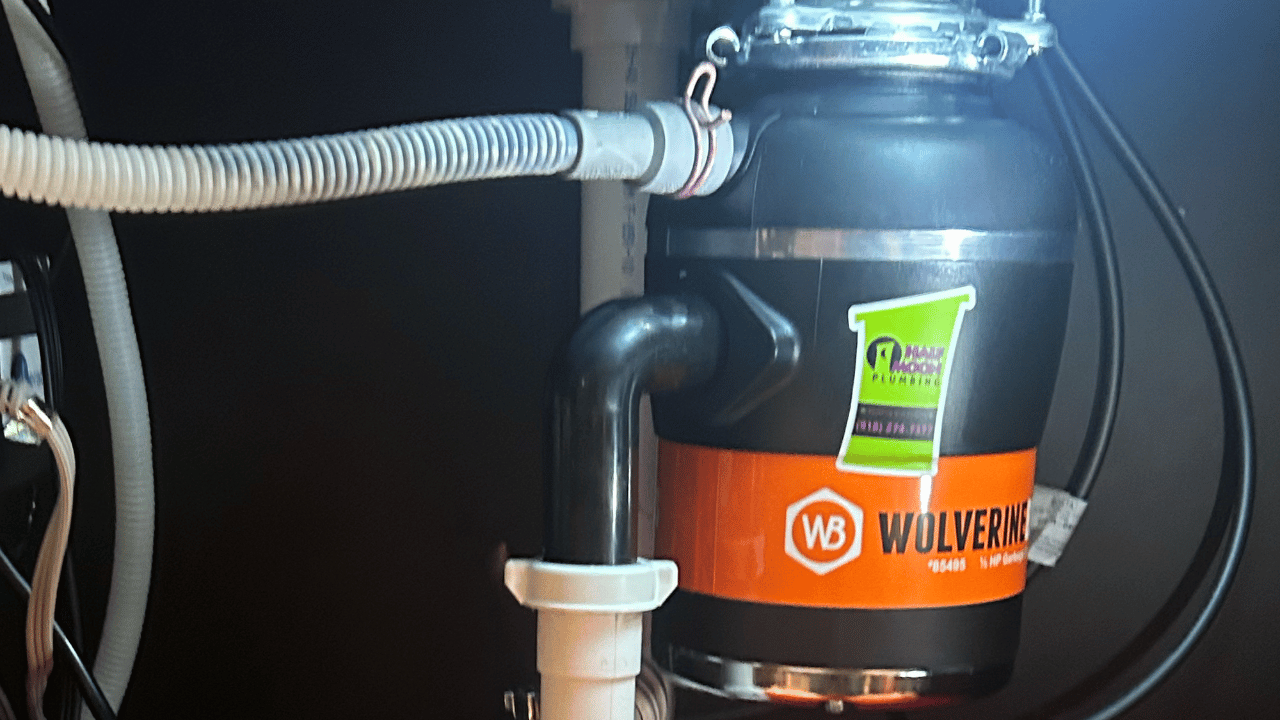
Key factors include unit age, repair history, damage severity, warranty coverage, and your priorities like noise level or expected lifespan. A cheap seal replacement on a newer unit can be very cost‑effective, but repeated motor repairs on an older unit often add up to more than replacement. Warranty status and part availability matter too — units with active warranties or plentiful parts usually justify repair, while discontinued models may force replacement. Running a simple cost comparison that adds likely future repairs versus the cost of a new unit amortized over its lifespan helps make the best financial choice.
Understanding these factors leads to clearer local cost expectations, which we covered earlier and can be confirmed with an on‑site inspection.
How Much Does Garbage Disposal Repair and Installation Cost in Tulsa & Owasso?
Local cost depends on parts, labor time, model complexity, and whether extra plumbing or electrical work is needed. Typical repairs fall in the low hundreds; full replacements range from several hundred to under a thousand dollars. Labor is a large part of the bill when mounting, flange replacement, or electrical work is required; parts such as seals, gaskets, or motors add to the total. For a reliable quote, technicians assess unit access, drain condition, and whether upgrades — like a new mounting assembly — are needed to meet local codes. To get an on‑site estimate tailored to your kitchen, Book Service Calls for a diagnostic visit and transparent pricing.
After cost considerations, it helps to know why a reputable local provider matters — the next section explains Half Moon Plumbing’s value.
Why Choose Half Moon Plumbing for Your Garbage Disposal Repair & Installation?
Half Moon Plumbing provides local, residential service with consumer protections that remove uncertainty: licensed and insured technicians, an A+ Better Business Bureau rating, and clear, up‑front pricing to avoid surprise charges. VIP members get perks like priority scheduling, discounts, and waived service call fees for covered issues, helping homeowners save on maintenance over time. If you need help, Book Service Calls to schedule an inspection or call 918‑205‑2487 to speak with our scheduling team.
These service features — transparent pricing, satisfaction guarantees, and VIP benefits — cut downtime and deliver predictable results. The following subsection explains VIP advantages in more detail.
How Does Our VIP Membership Program Enhance Your Plumbing Service Experience?
The VIP Membership Program makes plumbing costs more predictable with perks like waived service call fees for covered issues, priority scheduling, routine inspections, and member‑only discounts on parts and labor. Annual inspections catch early signs of wear — loose flanges, small leaks, or early motor strain — reducing emergency calls and unexpected replacement costs. Members also get maintenance reminders and discounts on camera inspections and drain cleaning that help keep your disposal running longer. For homeowners who prefer fewer surprises, the VIP program simplifies budgeting and protects appliance life through scheduled preventive care.
Membership benefits lower lifetime costs and connect directly to the maintenance practices we cover next.
How Can You Maintain Your Garbage Disposal to Prevent Future Problems?
Regular maintenance cuts common failures by preventing buildup, reducing corrosion, and catching small leaks before they become big problems. Simple habits — running cold water while you run the disposal, grinding citrus or ice occasionally, and avoiding grease and fibrous scraps — protect the grind chamber and limit odors. Annual professional inspections spot wear on seals, mounting flanges, and wiring before they fail; combining homeowner care with yearly pro checks is an effective way to extend unit life. Below is a practical cleaning and maintenance checklist and a short do/don’t list you can use right away.
Use this maintenance checklist to keep your disposal working smoothly:
Run cold water before, during, and after use to flush particles through the trap.
Grind citrus peels or ice monthly to clear buildup and help sharpen impellers.
Avoid grease, fibrous foods, and hard bones that clog or damage the unit.
Check for leaks and mounting tightness periodically and after heavy use.
Schedule a professional inspection annually or when performance drops.
This checklist gives immediate, practical actions homeowners can take. Next are specific cleaning tips and why maintenance lengthens unit life.
What Are the Best Tips for Cleaning and Maintaining Your Kitchen Disposal?
Combine simple mechanical and safe chemical methods: run cold water and grind ice to dislodge deposits, use enzyme cleaners periodically to break down organic buildup, and run citrus or a baking soda + vinegar cycle to freshen odors. Avoid harsh chemical drain cleaners — they can damage seals and corrode components. Never put grease, coffee grounds, or thick peels down the disposal. Check mounting hardware and hoses for seepage and tighten any loose connections; if a leak or odd noise continues, schedule a professional inspection. Regular cleaning cuts odor, reduces wear, and keeps the grinding surface in better shape, lowering the risk of jams.
These cleaning habits directly help the unit last longer, which we explain below.
How Does Regular Maintenance Extend the Lifespan of Your Garbage Disposal?
Routine maintenance reduces corrosion, prevents abrasive wear, and keeps seals and bearings operating as intended — all of which push a disposal toward the higher end of its expected life. By preventing acidic or fatty buildup and catching loose fittings early, maintenance lowers the frequency of major repairs and the chance of catastrophic leaks that require full replacement. Typical residential disposals last 8–12 years; proactive care can move a unit toward the upper end of that range and make performance more reliable. Joining a preventive program like our VIP membership formalizes inspections and helps ensure maintenance is done on a schedule that preserves value.
Preventive maintenance cuts total cost of ownership and the likelihood of emergency calls. The final section below answers homeowners’ most common questions with short, actionable steps.
What Are the Answers to Frequently Asked Questions About Garbage Disposal Repair & Installation?
This FAQ gives short, practical answers to the questions homeowners ask most, written for quick understanding and featured‑snippet style use. Answers include safety‑first steps, clear DIY limits, and guidance on when to call a pro for installation or repairs. If you’d rather have a technician handle it, Book Service Calls for an on‑site diagnosis or installation with local experts.
Below are concise answers to common questions homeowners search for when they have disposal issues.
How Do You Reset a Jammed Garbage Disposal?
Start by cutting power at the wall switch and pressing the red reset button under the unit — that resets overload protection if tripped. Always confirm power is off before inserting tools. If the reset doesn’t clear the jam, use an Allen wrench in the bottom flywheel socket to turn the impeller and free the obstruction. Never put your hand inside the grind chamber — use pliers or tongs to remove visible objects once power is off. If you can’t rotate the impeller, or the unit still won’t start after reset and clearing, call a technician for safe electrical and motor checks.
These reset steps are safe first measures and point to professional service when the unit still fails — see the DIY vs. pro guidance below.
Can You Install a Garbage Disposal Yourself or Should You Hire a Professional?
DIY installation is possible for homeowners who are comfortable with basic plumbing and wiring, but professional installation guarantees correct mounting, code‑compliant electrical connections, and reliable sealing — especially when replacing old flanges or upgrading horsepower. If the job changes the sink flange, mounting ring, or electrical wiring/circuit protection, a licensed technician prevents leaks, electrical hazards, and preserves manufacturer warranties. For most homeowners, hiring a pro delivers predictable results and peace of mind. To arrange an expert install or get a detailed cost estimate, Book Service Calls and schedule an on‑site assessment. If you DIY, follow the manufacturer’s instructions, isolate power, and test for leaks before finishing the job.
This closes the FAQ and the guide — use the diagnostic tables and checklists above to decide next steps, and remember professional help is available when you need it.
Get Your Garbage Disposal Repaired Today
Knowing the basics of garbage disposal repair and installation helps you make smarter choices that keep your kitchen working and avoid costly damage. Spot common issues early, use safe troubleshooting steps, and call a professional when a repair looks risky or costly. For tailored help, schedule a service call with our experienced technicians — we’ll provide a clear diagnosis and recommended next steps. Explore our services today to keep your garbage disposal running smoothly for years.