
Why Is My Septic Tank Backing Up? Causes and What to Do
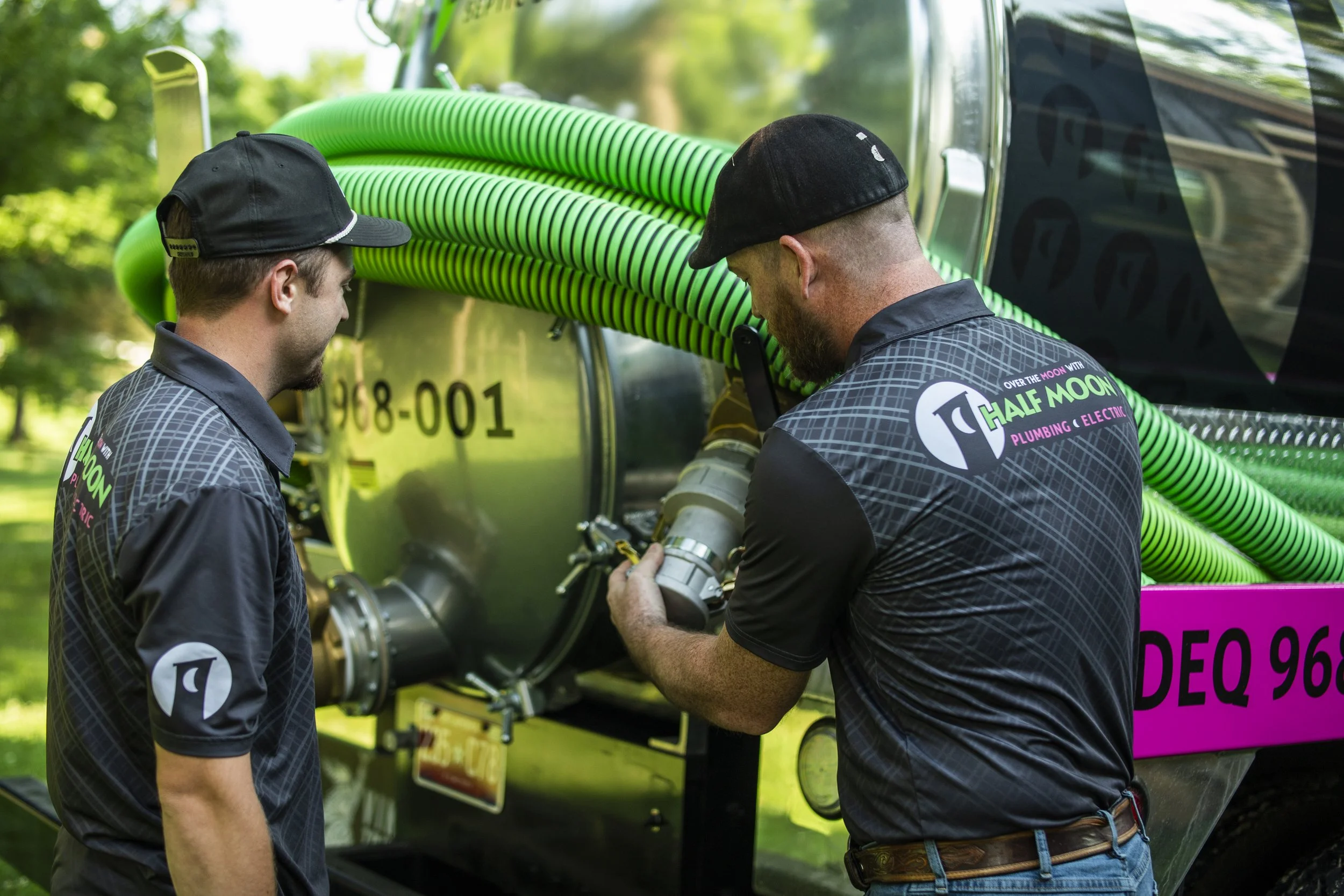
If sewage is backing up into your home, do this first: stop running water everywhere in the house, keep people and pets away from the standing wastewater, and do not flush again. A backup means the system has nowhere to send the water, and every gallon you add makes it worse. Once the water is off, the next move is a professional look, because a backup is one of the few septic problems that rarely fixes itself and often needs septic inspection and repair to pin down the real cause.
We get these calls year-round across Owasso, Skiatook, Claremore, and the rural roads nearby, often at the worst possible moment. The cause usually comes down to one of a handful of things. Knowing which one you are looking at tells you whether it is a quick pump-out or a bigger repair.
The most common cause: a full tank
The everyday reason for a backup is simply a tank that is overdue for pumping. Solids build up at the bottom of the tank over the years. When that sludge layer gets high enough, there is no room for wastewater to separate and flow out to the drain field, so it backs up the way it came, into your lowest drains.
If it has been more than three to five years since your last pumping, a full tank is the leading suspect. This is the good outcome, because pumping the tank often clears the problem the same day. It is also the reason routine pumping is so much cheaper than waiting for a backup.
A clog between the house and the tank
Sometimes the tank is fine and the blockage is in the pipe running from your house to it. Grease, wipes, so-called flushable products, and tree roots working into the line are the usual culprits. Roots are especially common on older systems around here, where established trees have had decades to find the pipe.
A telltale sign is that everything backs up, but only when you use a lot of water at once, and the yard over the tank stays dry. That points to the line, not the tank or the field.
A failing or saturated drain field
This is the more serious cause. If the drain field can no longer absorb water, either because it is saturated after heavy rain, compacted, or failing from age or years of missed pumping, the effluent has nowhere to go and pushes back into the tank and then the house.
Signs of a drain field problem include soggy ground or standing water over the field, bright green grass in that area, and sewage odors outside. A backup tied to the drain field usually will not be solved by pumping alone, though pumping buys time. It needs a real diagnosis, and sometimes repair or replacement of the field.
What to do right now
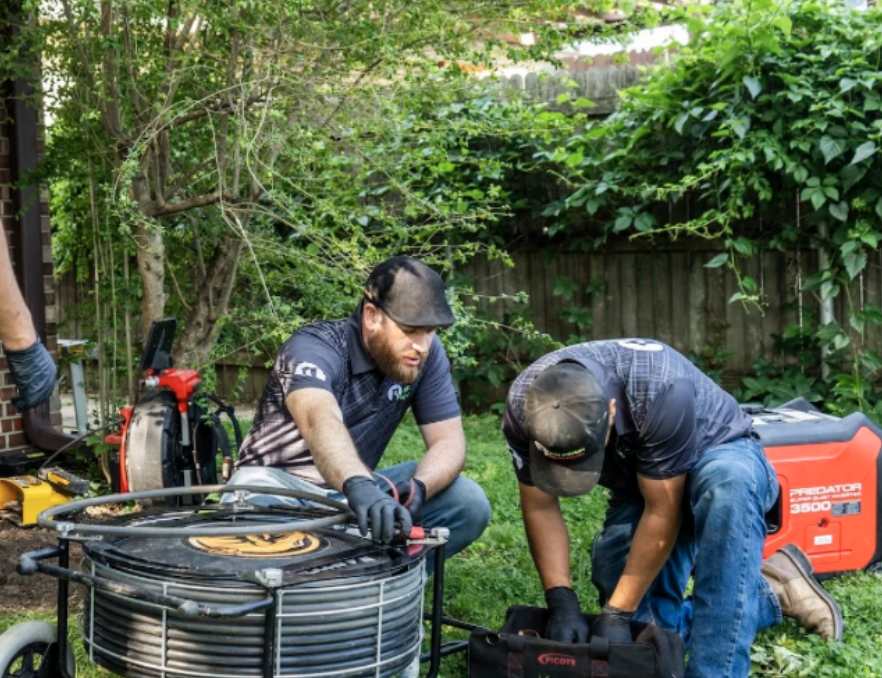
Turn off the water at every fixture and hold off on laundry, dishes, and showers until the system is checked. Keep everyone clear of the sewage, since it carries bacteria you do not want anyone near, and open windows for ventilation if it has come indoors. Do not pour drain chemicals into a backed-up septic system, because they will not clear a full tank or a failed field and can harm the bacteria the system depends on.
Then call for service. If it is actively coming into the house, that is an emergency septic service situation and worth a same-day call rather than waiting it out. A technician will check the sludge level, the line, and the field to find where the water is stuck, and get it moving again.
How to keep it from happening again
Once the immediate problem is solved, the fix for the long term is boring and effective: pump on schedule, usually every three to five years depending on your household size and tank, keep wipes and grease out of the system, and get the drain field checked if there is any history of saturation. Most backups we see trace straight back to a pumping that got put off one year too long. You can see the full range of what we handle on our septic services in the Tulsa area page.
Frequently asked questions
Is a septic backup an emergency? If sewage is entering your home or standing in the yard, treat it as one and call for same-day service. It is a health hazard and it gets worse with every gallon of water used. A slow drain with no overflow is less urgent but still worth prompt attention.
Will pumping the tank fix a backup? Often yes, when the cause is a full tank. Pumping will not permanently fix a backup caused by a failed drain field or a broken line, though it can relieve the pressure while the real repair is planned. That is why a technician checks the whole system, not just the tank.
Why did my septic back up right after heavy rain? Saturated ground cannot absorb the drain field's output, so water backs up until the soil dries. Repeated rain-related backups usually mean the drain field is undersized, aging, or failing and needs evaluation.
Can I use my drains at all during a backup? Keep water use to an absolute minimum until the system is checked. Every flush and every sink adds to a system that already has nowhere to put the water. Turning it off is the single most helpful thing you can do before help arrives.
Dealing with a backup right now?
If wastewater is coming into your home, do not wait it out. Turn off the water and call us. Half Moon Plumbing and Electric answers around the clock and serves septic emergencies across the Tulsa area.
Call Now: 918-205-2487 Book Online: request urgent septic service in a couple of clicks.