
Septic Tank Risers: What They Are and Whether You Need One
A septic tank riser is a short vertical pipe, usually plastic or concrete, that stacks on top of your tank's access opening and brings the lid up to ground level. Instead of a lid buried under a foot or more of dirt, you get a cap sitting flush with your lawn that lifts off in seconds. If you have ever watched a technician dig to reach your tank before septic tank pumping and cleaning, a riser is what makes that digging stop for good.
Older tanks around the Tulsa area were almost always installed with the lids buried, because nobody was thinking about the next 20 years of service calls when the yard was graded. A riser is a simple, one-time upgrade that pays you back every single time the tank needs attention.
What a riser actually does
Every septic tank has one or two access openings on top, one over the inlet and one over the outlet, and those openings are how a technician pumps the tank and inspects the baffles. On a buried tank, those openings are covered by lids sitting below the surface, hidden under soil and grass.
A riser bridges that gap. It sits on the tank opening and extends straight up to the surface, where a secure, gasketed lid finishes it off. Now the access point is visible, reachable, and openable without a shovel. The tank is unchanged. You have just given it a doorway to the surface.
The real benefits
The main payoff is on every future service visit. Pumping and inspections get faster and often cheaper, because the crew is not spending the first half hour finding and uncovering the lid. Over the years, that saved labor adds up to more than the riser cost.
Risers also make it far more likely that your tank actually gets serviced on schedule. When checking the tank means renting a shovel and guessing where to dig, it is easy to put off. When it means twisting off a cap, inspections happen when they should. A gasketed, bolted lid at the surface is also safer than a cracked concrete lid buried in the yard, which can become a hidden hazard over time.
There is a convenience factor too. If you ever want to check your own sludge level between professional visits, a riser makes that a two-minute job instead of an afternoon.
What risers are made of
Most modern risers are high-strength plastic, either polyethylene or PVC. They are light, they do not corrode, and they seal tightly against odor and groundwater. Plastic is the most common choice on new installs and retrofits today.
Concrete risers still exist, usually on older systems. They are heavy and durable but can crack and let in water over time, and they are harder to seal well. When we retrofit an older tank, we almost always go with a sealed plastic riser for the tighter fit and the lighter handling.
Do you actually need one?
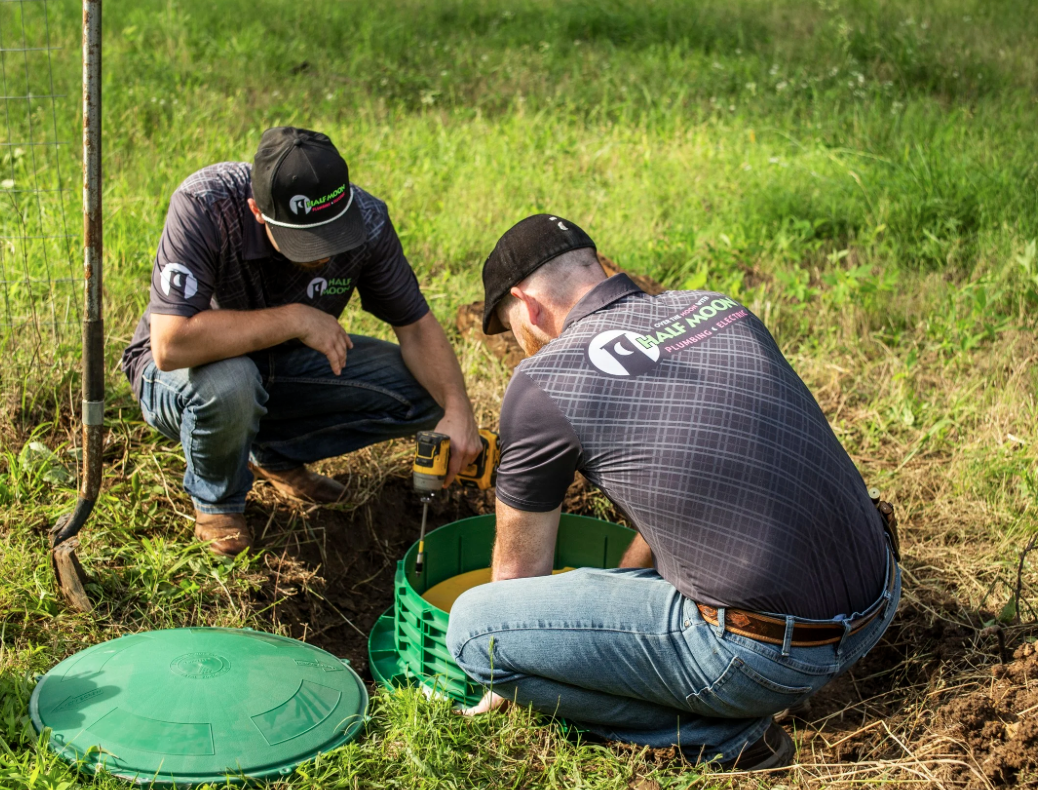
You are a strong candidate for a riser if your tank lids are buried more than a few inches deep, if you have trouble locating your access points, or if you are tired of paying for a dig on every pumping. Homeowners who have just bought a place with an unknown tank location benefit a lot, because the riser doubles as a permanent, easy-to-find marker.
If your lids already sit at or near the surface and open easily, you may not need one at all, and we will tell you that. A riser is a genuine convenience upgrade, not something to be pressured into. The most efficient time to add one is during a pumping you already have scheduled, since the tank is open and the crew is on site. You can see how it fits with the rest of what we do on our septic services in the Tulsa area page.
Frequently asked questions
How much does a septic tank riser cost to install? Cost depends on how many openings you cover, how deep the tank sits, and the riser material. Adding one during a scheduled pumping is the most economical time, since the tank is already exposed. We give a firm number after seeing the setup rather than a guess over the phone.
Can a riser be added to an existing septic tank? Yes. Risers are commonly retrofitted onto older buried tanks. The technician exposes the existing opening, seals the riser to the tank, and brings the lid to the surface. It is a routine upgrade.
Are septic risers safe if I have kids or pets? A properly installed riser uses a secure, often bolted, gasketed lid that is far safer than an old, cracking concrete lid hidden under the yard. It is designed to stay closed until a tool or deliberate effort opens it.
Will a riser stick up and look bad in my yard? The lid finishes flush or nearly flush with the ground, and lids come in green or other muted colors that blend into the lawn. Most people barely notice them, and you can mow right over the area.
Tired of digging to reach your tank?
If your next pumping is coming up, that is the ideal time to add a riser and never dig for the lid again. Half Moon Plumbing and Electric can handle both in one visit across the Tulsa area.
Call Now: 918-205-2487 Book Online: schedule your septic service in a couple of clicks.