
The Complete Guide to Clogged Toilet Repair at Home
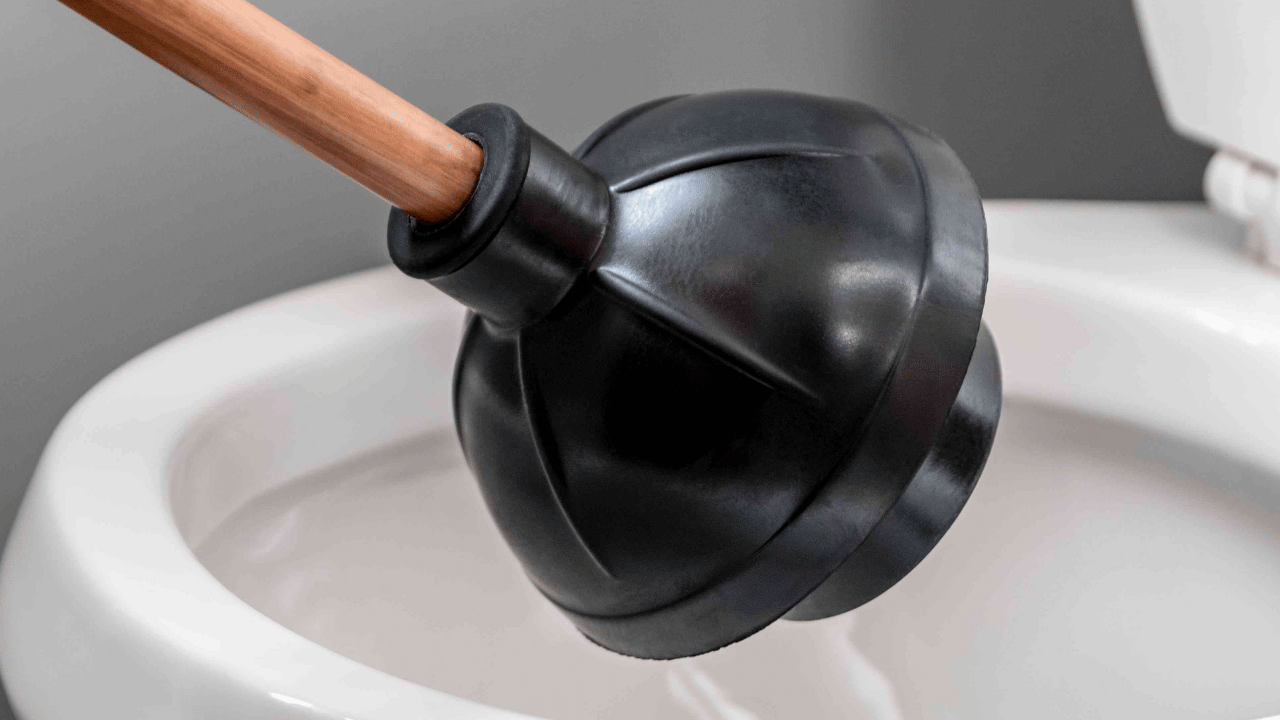
A clogged toilet is any blockage that stops normal flushing, causes slow draining, or leads to backups. Clogs can arrive overnight or build up slowly — and knowing why they happen and how to respond quickly lowers damage, health risks, and repair bills. This guide walks you through common local causes, safe step‑by‑step home fixes, when to stop DIY efforts, and the professional tools used to diagnose and clear stubborn or repeat blockages. You’ll also find realistic cost context for Tulsa and Owasso, simple prevention habits to reduce future clogs, and an emergency checklist so you can act fast if a serious clog threatens your home or sanitation.
If you need immediate help in Tulsa or Owasso, Half Moon Plumbing is available and makes booking easy — call 918-205-2487 to request emergency or scheduled toilet repair. We offer upfront pricing, technicians trained through our in‑house University program, and a VIP Membership that can lower out‑of‑pocket costs for recurring problems. Read on to learn how to judge urgency, try safe home fixes, and decide when a professional camera inspection, augering, or hydrojetting is the right next step.
TL;DR
A clogged toilet usually comes from non-flushable items, too much toilet paper, hard water scale, or mainline issues like roots or sediment.
Safe DIY fixes include using a flange plunger, warm water with dish soap, or a toilet auger — but stop if water backs up, multiple fixtures slow down, or plunging fails.
Recurring clogs often point to deeper problems that need a camera inspection, augering, or hydrojetting to clear safely.
Professional costs vary based on severity, tools needed, and whether the call is scheduled or an emergency.
Good habits — mindful flushing, cleaning rim jets, and annual inspections — prevent most clogs and catch early signs of mainline trouble.
Emergency help is needed if the toilet overflows, multiple drains back up, or sewage odors appear.
Half Moon Plumbing offers diagnostics, repair, hydrojetting, camera inspections, and VIP Membership options to lower long-term costs.
What Are the Most Common Causes of Clogged Toilets in Tulsa and Owasso?
Most toilet clogs come from a physical obstruction in the bowl, trapway, or the sewer line downstream that reduces flow and flush power. Local factors — like hard water scale, older trapway designs, and nearby tree roots — can turn a simple clog into a recurring or mainline problem. Spotting these causes early helps you choose the right first move and avoid steps that could make the issue worse. Below is a focused list of the common causes we see in homes.
Common causes of toilet clogs in homes include:
Non‑flushable items (wipes, feminine products, toys) that lodge in the trapway.
Too much toilet paper forming a dense mass, especially in low‑flow toilets.
Hard water scale narrowing rim jets and trapways, lowering flush effectiveness.
Tree roots or sediment in the sewer main causing recurring backups and slow drains.
Faulty or misaligned closet flanges, or venting issues that impede drainage.
These causes point to both simple fixes and times when deeper diagnostics — like a camera inspection — are needed. Understanding the mechanics of a clog (something that reduces the pipe’s clear flow) points directly to practical unclogging methods and prevention steps.
How Do Non‑Flushable Items and Excess Toilet Paper Cause Blockages?
Non‑flushable items and large amounts of toilet paper can wedge in the toilet’s trapway or mix with solids to form dense plugs that resist flushing. The trapway’s curve narrows the path, so things that don’t break down easily get caught — especially in older or low‑flow fixtures. Paper also swells and binds with organic matter, making the plug firmer and risking that it’ll be pushed into the mainline where it’s harder to remove. Prevention starts with user habits: only human waste and sewer‑safe toilet paper belong in the bowl; dispose of wipes, towels, dental floss, and sanitary products in the trash.
If clogs repeat despite careful use, it’s time to check for hidden causes like scale or a blocked sewer line. Recurring blockages often mean professional tools — an auger or a camera inspection — are needed to find and remove lodged material. Better habits stop new obstructions while diagnostics fix the persistent ones.
Can Hard Water and Sewer Line Issues Lead to Recurring Toilet Clogs?
Yes. Hard water leaves mineral scale on rim jets, trapways, and bowl surfaces, which reduces effective flush volume and lets solids build up faster. Over time, scale narrows passages and weakens each flush’s scouring action, so even small amounts of waste can create clogs. Sewer line issues such as tree root intrusion or collapsed sections create backups that show up as toilet clogs even though the problem lies downstream — common signs include slow drains across multiple fixtures or gurgling sounds.
If you see recurring clogs along with slow sinks or basement backups, a camera sewer inspection can reveal mineral narrowing, roots, or mainline blockages that need hydrojetting or targeted repairs. Early detection stops repeat service calls and reduces repair costs.
How Can You Safely Unclog a Toilet Yourself Before Calling a Plumber?
Safe DIY unclogging starts by identifying the likely obstruction, using low‑risk tools first, and stopping before you cause an overflow or pipe damage. A flange‑style plunger used with the correct seal clears most trapway blockages, and simple household remedies can loosen soft plugs. If multiple fixtures are affected, you smell sewage, or plunging fails after several proper attempts, stop DIY efforts and call a professional — that prevents pushing the clog deeper or creating sanitary hazards.
Begin by removing excess water with a small container if the bowl is near overflowing, then plunge firmly for several cycles while keeping a tight seal. If plunging doesn’t work, try a homeowner toilet auger to probe and retrieve items without scratching the porcelain. When those steps fail, professional tools and diagnostics are the safer next step.
In short, start with plunging and careful manual augering. Chemical approaches carry real risk for toilets and plumbing. If home methods don’t work, a professional evaluation prevents escalation.
What Are the Best DIY Methods Using Household Items Like Baking Soda and Dish Soap?
Safe household methods aim to soften or lubricate the clog without harsh chemicals or boiling water (which can crack porcelain or damage seals). A squirt of dish soap followed by warm — not boiling — water helps lubricate and break up greasy or soft accumulations. A measured baking soda and vinegar reaction can loosen grime and cut odors. Try pouring a generous squirt of dish soap into the bowl, add a bucket of warm water from waist height to create force, then plunge after the water settles. For baking soda and vinegar, add one cup of baking soda, then one cup of vinegar, wait 15–30 minutes, then follow with warm water and plunging.
Never mix bleach with vinegar or other cleaners, and never pour boiling water into a ceramic bowl — thermal shock can crack the glaze. These safe methods will clear many minor obstructions, but persistent clogs or multiple affected fixtures mean it’s time for professional help.
When Should You Stop DIY Attempts and Contact a Professional Plumber?
Call a professional when plunging and homeowner augering don’t clear the clog after careful attempts, when water starts backing into other fixtures, or when you notice sewage smells or black water. Those signs point to a deeper obstruction or a mainline issue; DIY efforts can make these worse by pushing debris further into the system. Also call if you see damage at the toilet base, get repeated clogs despite correct use, or face an overflow that threatens finished floors.
Pros can run a camera inspection to locate the blockage, use the right equipment (like a hydrojetter) for heavy buildup, and recommend repairs or replacements that prevent recurrence. Calling early reduces property damage and health risks tied to prolonged sewage exposure.
What Professional Services Does Half Moon Plumbing Offer for Clogged Toilet Repair?
Professional clogged toilet repair uses targeted diagnostics and graduated clearing methods that match the blockage’s severity and location. Technicians start with a visual check and escalate to specialized tools only when needed. We use toilet augers for trapway clogs, camera inspections for recurring or hidden blockages, and hydrojetting or mainline clearing for severe buildup or root intrusion. These solutions focus on the root cause as well as the immediate clog to reduce repeat failures.
Half Moon Plumbing offers upfront pricing, and technicians trained so that diagnostics and repairs are consistent and professional. To schedule, call 918-205-2487 for a service call; we handle scheduled repairs and emergency dispatch. We also back our work with satisfaction guarantees and can recommend VIP Membership to save on recurring needs and preventive inspections.
Professionals choose tools based on diagnostics to minimize invasive work and stop repeat blockages. Scheduling a service call at early warning signs can avoid costly mainline repairs later.
How Do Licensed Technicians Use Tools Like Toilet Augers and Camera Inspections?
Technicians pick tools based on the diagnosis: a toilet auger retrieves objects lodged in the trapway or breaks up compacted paper that won’t clear with a plunger, while a sewer camera finds deeper issues like roots, scale, or pipe damage. During service we’ll explain the chosen method, give an upfront estimate, and use minimally invasive techniques when possible. A camera inspection produces a video record showing the blockage’s exact location and condition, which helps guide the right repair.
Expect technicians to document findings and recommend a proportionate solution that fixes the immediate clog and addresses underlying causes to prevent future problems. Clear communication about results keeps the process transparent.
How Much Does Clogged Toilet Repair Cost in Tulsa and Owasso?
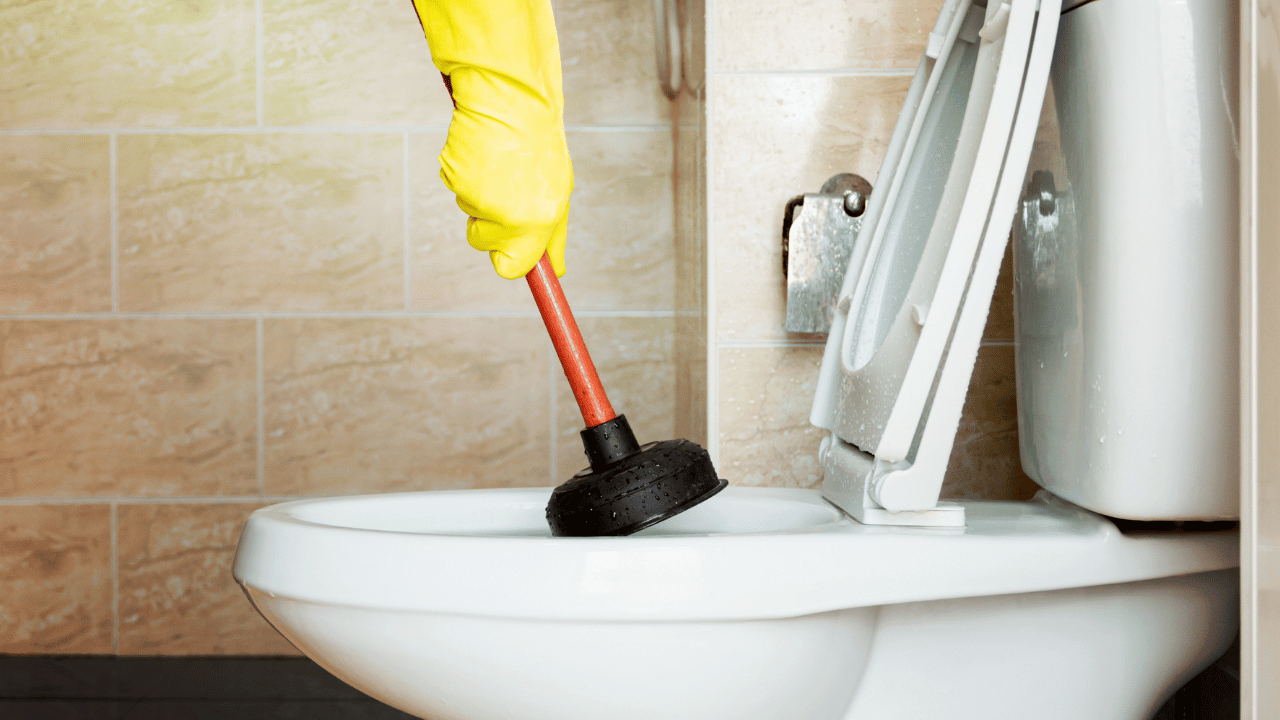
Costs vary based on severity, time of service (emergency vs. scheduled), required tools, and whether parts or replacements are needed. Simple augering during a regular appointment is usually the lowest‑cost option, while hydrojetting or mainline repair involves higher labor and equipment charges. Emergency calls often include an off‑hour premium. Because each job is different, an on‑site diagnosis gives the clearest estimate — call to book a service call and learn how VIP Membership could lower your out‑of‑pocket expense.
What Factors Influence Toilet Repair Pricing and Financing Options?
Several variables affect price: whether service is scheduled or emergency, the time to diagnose and clear the blockage, the need for specialized gear (cameras, hydrojetters), and any parts or replacement fixtures. Accessibility (tight bathrooms, stairs) can increase labor. Some providers offer financing or payment plans for larger repairs; VIP memberships lower recurring costs with waived fees and discounts that reduce repair bills over time.
When comparing estimates, ask whether the price includes diagnostics, labor, parts, and any follow‑up guarantees so there are no surprises. Booking a service call gives the specific quote you need to compare options fairly.
How Does the VIP Membership Program Help Save on Repair Costs?
A VIP Membership usually waives service call fees and applies discounts to parts and labor — a smart choice for households that expect occasional plumbing needs or want annual inspections to cut emergency risk. Included annual inspections and main‑drain camera checks catch early signs of buildup or root intrusion so you can take preventive action instead of paying for major interventions like hydrojetting or sewer repairs. Over time, the mix of waived fees, discounts, and scheduled care often results in net savings.
For homeowners who prefer predictable maintenance and fewer emergencies, membership means fewer surprise bills and earlier detection of issues that could otherwise become costly repairs.
How Can You Prevent Future Toilet Clogs with Proper Maintenance?
Preventing clogs combines daily habits, choosing the right fixtures, and scheduled inspections to keep trapways and mainlines flowing. Mindful flushing reduces foreign objects, routine cleaning limits mineral and organic buildup, and occasional camera inspections reveal early scale or root issues. A maintenance plan that mixes professional checks with homeowner vigilance cuts emergency clogs and lowers long‑term plumbing costs.
Key preventive measures include regular cleaning of rim jets and the trapway, mindful flushing, and scheduling professional checks when you notice warning signs. These steps create a practical maintenance rhythm that keeps small issues from escalating.
Follow proper flushing habits: Only human waste and sewer‑safe toilet paper in the bowl.
Avoid flushing non‑degradables: Put wipes, sanitary products, and packaging in the trash.
Clean rim jets periodically: Remove mineral deposits that reduce flush power.
Schedule inspections: Annual camera checks of main drains help catch problems early.
What Flushing Habits and Regular Inspections Reduce Toilet Blockages?
Conservative flushing habits — using only sewer‑safe paper and avoiding multiple heavy flushes — cut the chance of dense paper plugs. Routine checks for slow drains, gurgling, or weaker flushes tell you when to act before a full blockage forms. Monthly quick checks, like running water through fixtures and noting response times, can reveal system‑wide issues early. Pairing those checks with scheduled professional inspections builds a preventive routine that stops many emergencies.
Simple, consistent habits plus basic monthly inspections keep small problems from growing and give useful information to technicians during evaluations.
How Do Annual Plumbing Inspections and Camera Drain Checks Help Avoid Emergencies?
Annual inspections and camera drain checks find scale buildup, root intrusion, offset joints, and other developing conditions that aren’t visible from the surface but often cause recurring clogs. A camera inspection gives a visual diagnosis so technicians can recommend targeted treatments — for example, hydrojetting to remove scale or targeted repairs for root damage. Early intervention based on inspection findings prevents progressive deterioration that leads to mainline failure or sewage backups, saving money and disruption.
Regular professional checks are a cost‑effective way to turn early detection into lower long‑term repair expenses and fewer emergency calls.
What Are the Signs You Need Emergency Toilet Repair Services?
Emergency toilet repair is needed when conditions threaten health, property, or indicate a deep blockage that DIY methods can’t safely fix. Red flags include an overflowing toilet you can’t contain, sewage backing up into multiple fixtures, strong sewer odors, or visible sewage or brown water in drains. Acting immediately on these signs minimizes water damage, stops mold growth, and reduces exposure to harmful pathogens.
Emergency signs that demand immediate action:
Overflowing toilet that continues even after shutting off the water supply.
Water backing into other fixtures (tubs, sinks, floor drains) when you flush.
Strong sewage odors or visible sewage in the bowl or drains.
Repeated clogs in a short time or gurgling sounds from vents and drains.
How to Recognize Overflowing Toilets, Water Backups, and Persistent Clogs?
Overflowing toilets are obvious when water rises above the rim or spills onto the floor despite your efforts to stop it. Water backups often show as water appearing in other fixtures when you flush. Persistent clogs that return within hours or days after proper plunging usually mean a deeper issue. Immediate mitigation steps include turning off the toilet supply valve, avoiding further flushing, and removing rugs or items from the floor to limit contamination.
Why Is Immediate Professional Help Crucial for Severe Toilet Blockages?
Delaying professional help lets sewage and water damage floors, drywall, and structural components and increases the chance of mold and bacterial contamination, which raises cleanup costs. Professionals use safe, effective tools — camera inspection, hydrojetting, and sealed extraction — to clear blockages without further damaging pipes or fixtures, and they follow sanitary protocols to protect occupants. Quick response reduces cleanup time, limits repairs, and lowers the total cost compared with waiting.
If you see any emergency signs, take immediate steps to limit damage and contact emergency services; Half Moon Plumbing can be reached at 918-205-2487 to schedule urgent toilet repair and remediation.
Conclusion
Knowing the common causes of toilet clogs and the right solutions lets homeowners act sooner and avoid costly, unsanitary problems. Use safe DIY techniques for minor issues, and call professionals when signs point to deeper trouble. For residents in Tulsa and Owasso, Half Moon Plumbing offers reliable, experienced technicians to keep your bathroom working and sanitary. Explore our services or call today to protect your home from future clogs.