
Insulate Pipes Today to Prevent Freezing This Winter

Pipe insulation protects your water and heating pipes from freezing, cuts heat loss, and helps avoid costly water damage at home. In Tulsa and Owasso, cold snaps and sudden overnight drops make insulating exposed piping an important, cost-effective step to prevent frozen or burst pipes. This guide explains how insulation works, which areas of the house to prioritize, and which materials — foam sleeves, fiberglass wrap, rubber insulation, or heat tape — are best for hot and cold lines. You’ll also get a clear look at a pro installation workflow, typical local costs for residential pipe insulation, and how to schedule service with a licensed technician. Read on for practical checklists, side-by-side comparisons, cost breakdowns, and easy booking instructions to protect your home this winter.
TL;DR
Prevents Freezing & Bursts: Insulation forms a thermal barrier, slowing heat loss and keeping water above freezing, crucial for Tulsa & Owasso homes.
Improves Energy Efficiency: Keeps hot water hot and cold water cold, reducing boiler/water heater usage and lowering energy bills.
Prioritize Vulnerable Areas: Focus on pipes in unheated spaces like crawlspaces, attics, exterior walls, and garages.
Choose the Right Material: Select foam sleeves, fiberglass wrap, closed-cell rubber, or heat tape based on pipe temperature, location, and specific needs.
Professional Installation Recommended: Ensures proper material selection, leak detection, and correct application for maximum effectiveness and longevity.
Half Moon Plumbing Expertise: Offers licensed technicians, transparent pricing, and VIP Membership benefits for peace of mind.
Schedule Before Winter: Book an assessment and installation early to prevent costly repairs during cold snaps.
Why Pipe Insulation Matters for Tulsa Homeowners
Insulation forms a thermal barrier that slows heat leaving the pipe and keeps the water inside from dropping to freezing temperatures — the main cause of expansion and ruptures. It also helps your system run more efficiently by keeping hot water hot and slowing heat gain in cold lines, which reduces how often boilers and water heaters fire up and can lower energy bills. In Tulsa and Owasso, uninsulated exterior walls, crawl spaces, and garages are especially vulnerable during sudden cold snaps, so adding insulation is both a prevention step and an efficiency upgrade. The sections below walk through how freezing happens and where to focus your efforts first.
How Pipe Insulation Stops Pipes from Freezing and Bursting
Insulation works by slowing heat transfer from the water to the colder air outside the pipe, which keeps the water above freezing longer during cold weather. By reducing conductive heat loss and—when needed—combining insulation with heat tracing or steady indoor temps, you interrupt the chain that leads to ice buildup and pressure inside the pipe. In short, insulation slows the temperature drop and lowers the chance that ice will form, expand, and cause a burst. That’s also why insulation is most effective when paired with draft sealing or targeted heat tape on the highest-risk runs.
Which Areas of Your Home Need Pipe Insulation First?
Start with pipes in unheated or poorly insulated spaces: crawlspaces, attics, exterior walls, garages, and runs near outside vents or doors. Outdoor spigots, hose bibs, and pipes under sinks on exterior walls are common trouble spots because the surrounding air can get cold fast. How accessible a run is will affect your choice: exposed pipes are often fine with foam sleeves, while pipes hidden behind walls may need localized access or spray foam around penetrations. Walk your home, feel for cold spots, and prioritize the exposed lines you find before the first freeze.
Which Pipe Insulation Materials Work Best for Homes?
Picking the right material depends on pipe temperature, location, durability needs, and budget. Common residential choices include foam sleeves, fiberglass wrap, closed-cell rubber, heat tape (heat tracing), and targeted spray foam for sealed cavities. Foam sleeves are quick for straight, exposed runs; fiberglass is better where higher heat tolerance is needed; rubber is flexible for bends and resists moisture; and heat tape actively prevents freezing on the riskiest sections. After this, you’ll find recommendations for hot versus cold lines.
Each material has trade-offs in cost, durability, and thermal performance — match those to the pipe’s exposure and your goals.
Choose the material that fits the pipe’s exposure, temperature, and how much effort you want to put into installation.
Foam, Fiberglass, and Heat Tape — How They Compare
Foam sleeves are the quickest, easiest option: split tubes that slip over exposed pipes to provide a useful thermal barrier. Fiberglass wrap is better for high-temperature lines but needs a proper vapor barrier or tape to avoid moisture problems. Heat tape actively heats the pipe and is best for the riskiest exterior or unheated runs; it requires correct selection, safe electrical hookup, and periodic inspection. Understanding these differences helps you decide between a low-cost DIY approach and a longer-lasting professional application — see our professional services if you want licensed installation.
Which Materials Fit Hot Water vs. Cold Lines?
Hot water pipes benefit from materials that reduce standby heat loss — fiberglass wrap or closed-cell rubber work well to keep delivery temperatures up. Cold water and exterior lines need freeze protection and moisture resistance; closed-cell rubber or foam sleeves plus air-sealing are effective, and heat tape is reserved for the highest-risk runs. Matching material to the pipe’s temperature and location gives you the best balance of energy savings and freeze prevention.
How Half Moon Plumbing Handles Pipe Insulation Installations
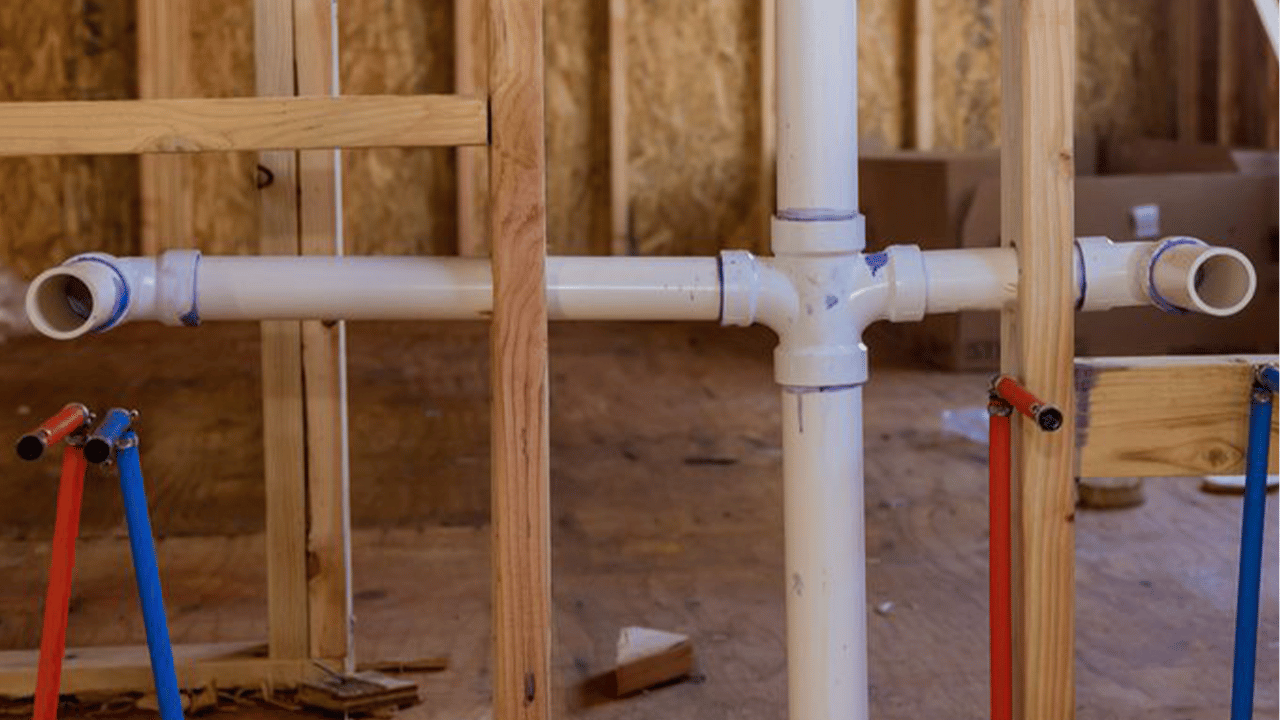
Our professional process starts with a site assessment to map pipe runs, pinpoint high-risk areas, and pick the right materials for each situation. Technicians repair visible leaks, clean pipe surfaces, and seal penetrations so insulation performs and lasts. Installation then follows: cutting and fitting foam sleeves, wrapping fiberglass correctly, using rubber sections for bends, or installing heat tape where needed — finished with sealing, labeling, and a final quality check. This ensures you know what to expect before you book.
Half Moon Plumbing sends licensed, trained technicians who follow transparent practices and prioritize homeowner protection. Our team is trained in-house and provides upfront pricing. If you’d rather leave the work to a trusted crew, call to Book Service Calls and schedule an on-site estimate. We also offer a VIP Membership with inspections and discounts for repeat needs. Insulating only after confirming pipes are leak-free prevents trapped moisture and extends insulation life.
What to Expect During a Professional Installation
A pro installation begins with a focused inspection to locate exposed runs, measure footage, and identify repairs (leaks, corrosion) that must be fixed before insulation. Technicians then match materials to each run — foam sleeves for straight, accessible lines; rubber for flexible runs; fiberglass for hot lines; and heat tape where electrical-safe and necessary — and gather the right tools and safety gear. Installation follows best practices for each material, then a sealing and labeling pass. Technicians finish with a quality check, documentation, and guidance on inspection intervals and any warranty details.
Why Pick Half Moon Plumbing for Pipe Insulation?
Half Moon Plumbing focuses on transparent pricing, licensed technicians, and a homeowner-first process that avoids common mistakes like insulating over active leaks. We integrate leak detection into every inspection so insulation is applied only after pipes are sound. Our technicians train specifically for residential insulation scenarios and safety procedures. With a VIP Membership that includes annual inspections and discounts, we make it easier to keep winterization up to date. For peace of mind and a clear booking path, Book Service Calls with Half Moon Plumbing to get an estimate and schedule the work.
Typical Cost for Residential Pipe Insulation in Tulsa
Costs vary by material, linear footage, accessibility, and any repairs needed before installation. The ranges below reflect those variables and help set expectations before a site visit. Difficult access, long runs, or required repairs raise the total price, while bundling services or using VIP discounts can lower out-of-pocket cost. Use the notes that follow to prepare for an on-site estimate.
What Drives the Price of Pipe Insulation?
Cost depends on the total linear feet, chosen material, accessibility (crawlspace or wall access raises labor), and whether pipes need repair or corrosion work before insulation goes on. Other factors include technician travel/time, minimum charges for small jobs, and any electrical work for heat tape that must meet safety codes. Older homes or those with lots of exterior-facing plumbing in Tulsa and Owasso often need more prep work, so we recommend an on-site estimate that documents footage, materials, and any required repairs for an accurate quote.
Do VIP Memberships or Discounts Apply to Insulation?
Our VIP Membership includes annual inspections, discounts, and priority scheduling that can apply to winterization services like pipe insulation. Memberships often lower the effective cost of preventive work by combining routine checks with discounted labor or materials, which helps avoid unexpected visits during cold weather. Mention VIP status when you book to confirm any available discounts or bundled offers — membership can simplify scheduling and reduce lifecycle costs compared with one-off repairs.
Common Questions from Tulsa Homeowners About Pipe Insulation
Homeowners usually ask about material lifespan, whether they can DIY, and how to maintain insulation. Short, practical answers help you prioritize and decide when to call a pro. Below we cover typical lifespans, replacement signs, and a simple decision guide for DIY versus professional installation so you can choose with confidence.
How Long Will Pipe Insulation Last and When Should It Be Replaced?
Longevity depends on material and exposure: foam sleeves often last 5–10 years depending on moisture and wear, fiberglass wrap can last 10–20 years when kept dry, and closed-cell rubber often performs longer under varying conditions. Replace insulation if you see compression, moisture saturation, mold, rodent damage, or crumbling at joints that reduces performance. Annual inspections — especially after a tough winter — catch wear early and help avoid freeze-related failures.
Can I Insulate Pipes Myself or Should I Hire a Pro?
DIY makes sense for small, easy-to-reach runs using foam sleeves or simple wrap where no electrical heat is involved and you’re comfortable checking for minor issues first. Hire a professional when pipes are hard to reach, when heat tape or electrical work is required, or when leak detection and repairs are needed before insulating. For whole-home protection or older Tulsa homes with complex runs, a licensed plumber delivers a safer, more reliable installation with leak repair and warranty-backed workmanship.
How to Schedule Pipe Insulation Before Winter Arrives
Booking insulation should be simple: request an on-site inspection, get a clear estimate that breaks down materials and labor, and schedule installation before freezing weather hits. Bundling insulation with leak detection, water heater service, or a winterization check gives you the best value and prevents missed steps that affect insulation performance. The three steps below outline what to expect and how to prepare for the visit.
Follow these three straightforward steps to request service and get ready for the inspection.
Call or request an estimate: Share basic home details and the areas you suspect need insulation so the technician can plan the visit.
On-site inspection & written estimate: The technician measures linear footage, checks for leaks or repairs, and provides a material-plus-labor estimate with timelines.
Schedule installation: Pick a date, confirm any prep (clear access to crawlspace/attic), and review warranty and post-install inspection plans.
How to Book a Pipe Insulation Service with Half Moon Plumbing
To schedule an on-site estimate or installation, call Half Moon Plumbing and describe the issue and the areas of concern — we’ll confirm availability, inspect the property, and provide an itemized estimate. Ask about the VIP Membership during the call to learn about inspection schedules and possible discounts. Our process focuses on transparent pricing, licensed technicians, and a clear timeline from inspection to final quality check — call 918-205-2487 to Book Service Calls and set up an assessment. This direct route ensures a coordinated inspection, accurate quote, and professional installation plan.
How Pipe Insulation Fits Into Other Winterization Services
Pipe insulation pairs with leak detection, water heater maintenance, and other winterization services by protecting pipes thermally while ensuring the system is leak-free and running efficiently before insulation is applied. Bundling services cuts repeated trip charges and lets technicians coordinate repairs, insulation, and system checks in one visit for better value and convenience. VIP plans further simplify seasonal maintenance by combining annual inspections with priority booking and member discounts.
Cross-sell opportunities: Leak detection, water heater servicing, and winterization checks.
Bundling advantages: One visit lowers labor/travel costs and ensures repairs happen before insulation.
Scheduling tip: Book early in the fall to secure weekday appointments before freeze season.
These combined steps reduce the odds of frozen pipes and improve long-term system performance.
Warm Up Your Home Now
Professional pipe insulation is a smart, proactive step for Tulsa and Owasso homeowners to prevent frozen pipes and improve energy efficiency. Know the right materials for each situation and make sure installation is done correctly to avoid trapped moisture and premature failure. Don’t wait for cold weather — schedule an on-site assessment with Half Moon Plumbing to get your home winter-ready.