
Oklahoma winters are mild right up until they are not. We can go weeks in the 50s and then drop into single digits overnight, and anybody who lived through the February 2021 deep freeze remembers what that did to pipes across Tulsa.
The good news is that most freeze damage is preventable with an afternoon of work, and the place to start is outside: hoses off, frost-free hydrants working the way they should, and exposed pipes covered.
Here is the checklist, in the order we would do it.
Outside the house
Disconnect every garden hose. This is the one people skip, and it matters most. A hose left attached traps water in the spigot. Even a frost-free hydrant cannot drain with a hose on it, so the part of the valve that is supposed to be protected inside the wall freezes and splits. You usually do not find out until spring, when you turn it on and water runs inside the wall.
Cover outdoor faucets. An inexpensive foam cover from the hardware store adds real protection, especially on north-facing walls.
Drain and protect sprinkler systems. If you have an irrigation system, shut off its water supply and drain it. The backflow preventer sits above ground and is one of the first things to freeze. Insulate it or have it drained.
Check the well house or pump house if you are on a well. A heat lamp or small approved heater in an insulated well house can save the pump and pressure tank.
Inside the house
Insulate exposed pipes. Focus on pipes in the attic, crawlspace, garage, and anywhere a line runs along an exterior wall. Foam pipe sleeves are cheap and quick to install. For lines that freeze every year, heat tape rated for the job is worth considering.
Seal the drafts. Cold air coming through a crawlspace vent, a gap around a dryer vent, or an unsealed hole where a pipe enters the house can freeze a line even when the rest of the house is warm. Close or cover crawlspace vents for the winter and caulk the gaps.
Find your main water shutoff now. Walk to it, make sure the valve turns, and show everyone in the house where it is. If a pipe does burst, every minute it runs is more water in your walls and floors.
Know your water heater. A tankless water heater in a garage or on an outside wall has freeze protection built in, but that protection needs power. If you lose power during a hard freeze, a tankless water heater may need to be drained to avoid damage. Check your manual or ask us before winter, not during the storm. If you would rather have someone else crawl under the house, book a pre-freeze check and we will handle the insulation and hydrants too.
When a hard freeze is in the forecast
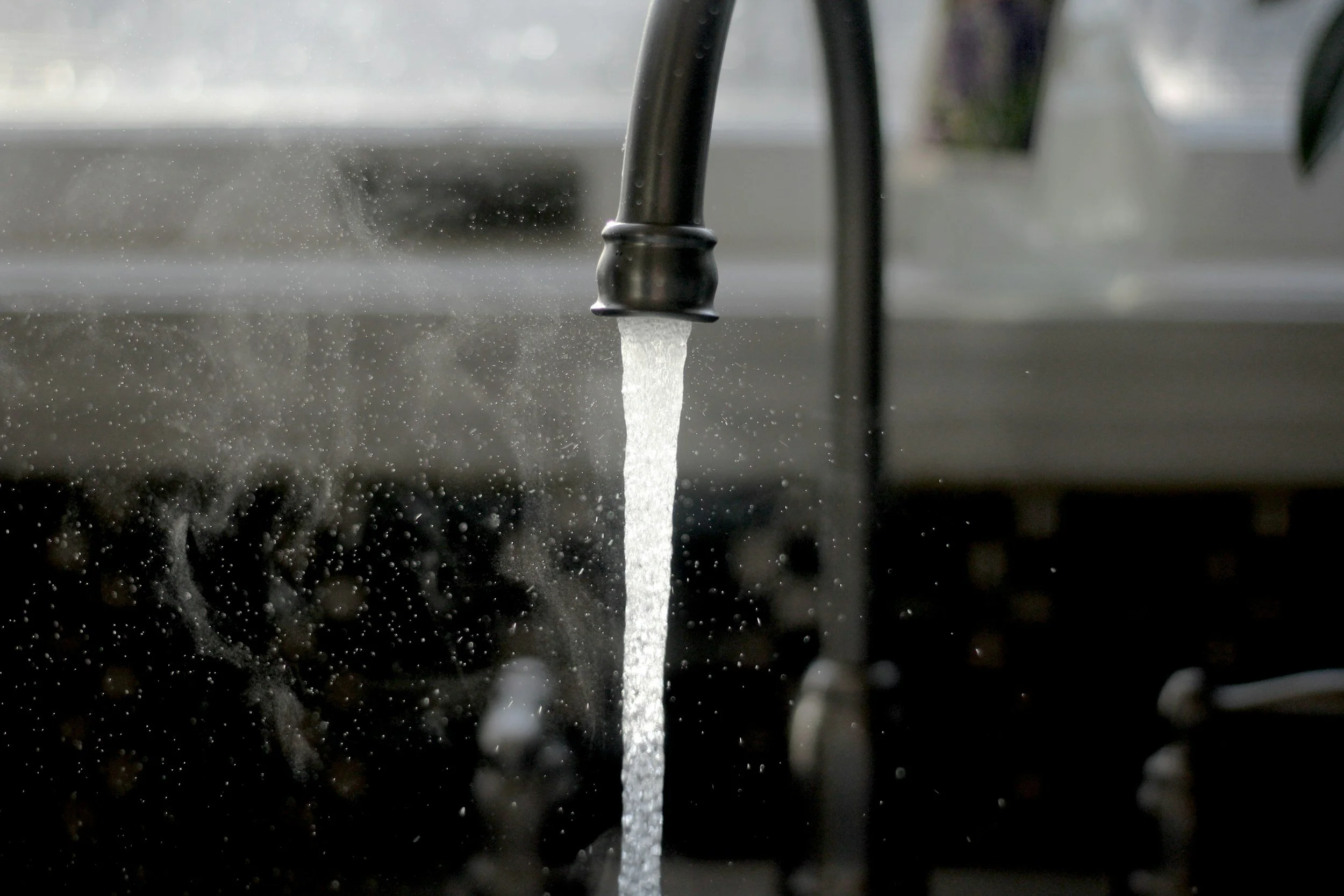
Let faucets drip. A slow drip on the faucets farthest from where water enters the house keeps water moving and relieves pressure in the line. Drip both hot and cold.
Open cabinet doors under sinks on exterior walls so warm air reaches the pipes.
Keep the heat on. If you are traveling, leave the thermostat at 55 degrees or higher. A cheaper heating bill is not worth a burst pipe in an empty house.
Leaving for a long stretch? Shut off the main and drain the lines by opening the lowest faucet in the house. For a cabin or vacation property, this is the safest move.
If you are using space heaters to keep a cold room or crawlspace warm, keep them away from anything that can burn and plug them directly into the wall, not an extension cord. Pipes are replaceable. Houses and families are not.
What to do if a pipe freezes anyway
If you turn on a faucet and get a trickle or nothing at all, a pipe is probably frozen. Leave the faucet open, shut off the water if you see any sign of a crack or leak, and warm the pipe slowly. Never use an open flame. We wrote a step-by-step guide on how to thaw frozen pipes safely, and our frozen pipes page covers when it is time to call for help.
Frequently asked questions
When should I winterize my plumbing in Tulsa?
Before the first hard freeze, which in the Tulsa area usually arrives sometime in November. Doing it in late October or early November gives you a buffer.
Do frost-free outdoor faucets need to be winterized?
Yes, at least a little. Disconnect the hose so the hydrant can drain. A hose left on can freeze and crack the valve inside the wall.
What temperature should I keep my house at to avoid frozen pipes?
At least 55 degrees, even when nobody is home. Pipes in exterior walls, attics, and crawlspaces can still freeze in a very cold snap, so insulate those as well.
Should I drip my faucets every night in winter?
Only when temperatures are forecast to drop well below freezing. A slow drip on the faucets farthest from your main shutoff is enough.
How do I winterize a home I will not be living in this winter?
Shut off the main water supply, open the faucets to drain the lines, flush the toilets, and leave the heat on low if the power stays on. For water heaters, especially tankless units, follow the manufacturer's draining steps or have a plumber do it.
Want it done right before the cold hits?
We like helping people and people like being helped, and this is one of the easiest ways to help yourself before winter. If you would rather have a pro walk the house, check the hydrants, and insulate what needs it, Half Moon Plumbing and Electric serves Tulsa, Owasso, Broken Arrow, and the surrounding towns. See all of our plumbing services.
Book Online: schedule a pre-freeze plumbing check before the first cold snap.
Call Now: 918-205-2487. We answer the phone around the clock.