
A standard home inspection does not cover the septic system in any real depth.
The inspector may flush the toilets and run the sinks, but nobody opens the tank or checks the drain field.
That gap is how buyers end up owning a failing system a few months after closing.
A dedicated septic system inspection closes it, whether you are the one buying or the one selling.
Here is what to look for, what an inspection covers, and how to handle the septic side of the deal without it derailing the sale.
If you are buying a home with a septic system
Treat the septic system like the roof or the foundation. It is expensive to replace and hard to see.
Ask for records first. When was the tank last pumped? Has anything been repaired? Is it a conventional system or an aerobic unit? For aerobic systems, ask whether there is a current maintenance contract. A seller who has a pumping receipt from last year is telling you something good. A seller who has no idea where the tank is is telling you something too.
Schedule a septic inspection during your inspection period. Do not wait until the week before closing. If the inspection turns up a problem, you want time to get a repair quote and negotiate. You can book a septic inspection online as soon as your offer is accepted.
Check the lender and the contract. Oklahoma does not have one statewide rule that every home sale needs a septic inspection, but some lenders, loan programs, and buyers' agents require or strongly recommend one. Confirm with your agent and lender early so it is built into the timeline.
Think about the house you are buying, not the one the seller lived in. A family of five moving into a home where one retiree lived for years will put a lot more water through that system. Make sure the tank is sized for how you will use the house.
What a septic inspection covers
A real inspection goes further than a look at the yard.
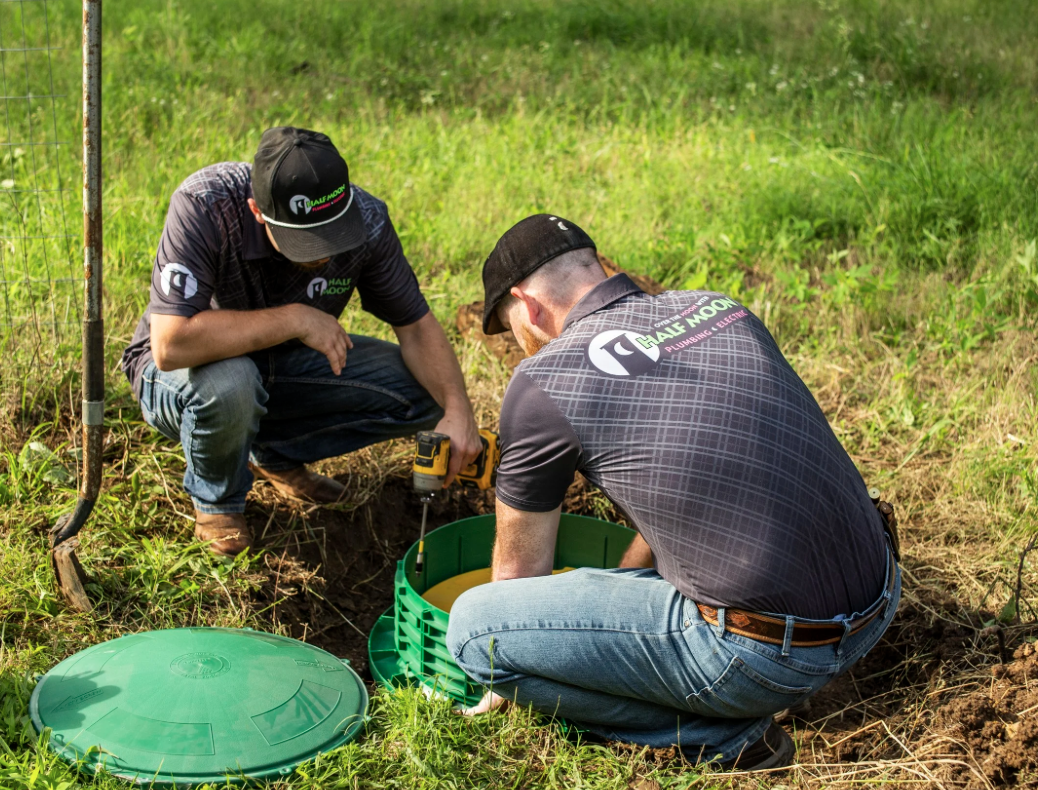
The tank gets located and opened. If the lids are buried, they have to be dug up (our post on how to find your septic tank explains why that takes some detective work on older homes). The sludge and scum levels are measured. The inlet and outlet baffles are checked, since a missing outlet baffle lets solids run straight to the field. The effluent filter, if there is one, gets looked at. The drain field is walked for soggy ground, odor, or that tell-tale green stripe in the grass. On an aerobic system, the aerator, alarm, and chlorinator are checked to confirm they work.
Pumping the tank as part of the inspection lets the inspector see the tank walls and the bottom, which is where cracks and leaks show up. If the seller already had it pumped right before listing, ask for the receipt and ask what was found.
If you are selling a home with a septic system
The best thing you can do is get ahead of it.
Have the tank pumped and inspected before you list. Fix anything small. Then put the paperwork in a folder: pumping receipts, repair invoices, and a sketch of where the tank and field are. Buyers relax when they see a seller who has kept up with the system, and their inspector has fewer surprises to report.
If the inspection does turn up a bigger problem, you have options. You can repair it before listing, offer a credit at closing, or price the home with the issue disclosed. Any of those is better than a buyer finding it a week before closing and walking away.
Red flags to take seriously

Wet, spongy ground over the drain field. Sewage odor in the yard. Slow drains throughout the house. A tank that has not been pumped in a decade or more. An aerobic system with the alarm unplugged or the chlorinator empty.
And a system old enough that it may be near the end of its life. If you are not sure how close that is, our guide to how long a septic system lasts is a good starting point.
None of these automatically kills a deal. They do mean you should get a repair estimate in hand before you sign.
Frequently asked questions
Is a septic inspection required to sell a house in Oklahoma?
There is no single statewide requirement for every sale, but lenders, loan programs, and buyers often ask for one. Check with your agent and lender, and plan for it either way.
What is the difference between a home inspection and a septic inspection?
A home inspector looks at the house. A septic inspection opens the tank, measures the sludge, checks the baffles and filter, and evaluates the drain field. They are separate services.
Who pays for the septic inspection?
Usually the buyer, as part of their due diligence, though sellers who pre-inspect before listing often save time later. It can be negotiated like any other part of the contract.
Should the septic tank be pumped before closing?
It is a good idea. A pumped tank lets the inspector see its condition, and the new owners start with a clean slate. Many buyers ask for it as part of the deal.
How long does a septic inspection take?
Plan on a few hours for most homes, longer if the lids have to be located and dug up first.
Buying or selling soon?
Get the septic system checked while there is still time to do something about what you find. Half Moon Plumbing and Electric handles septic inspection, pumping, and repair across the Tulsa area, and we will tell you plainly what we find so everyone at the table can make a decision. See everything we do on our septic services page.
Book Online: schedule your pre-sale or pre-purchase septic inspection.
Call Now: 918-205-2487 if you are working against a closing date and need to talk through timing.