
How Long Does a Septic System Last? Lifespan and What Shortens It
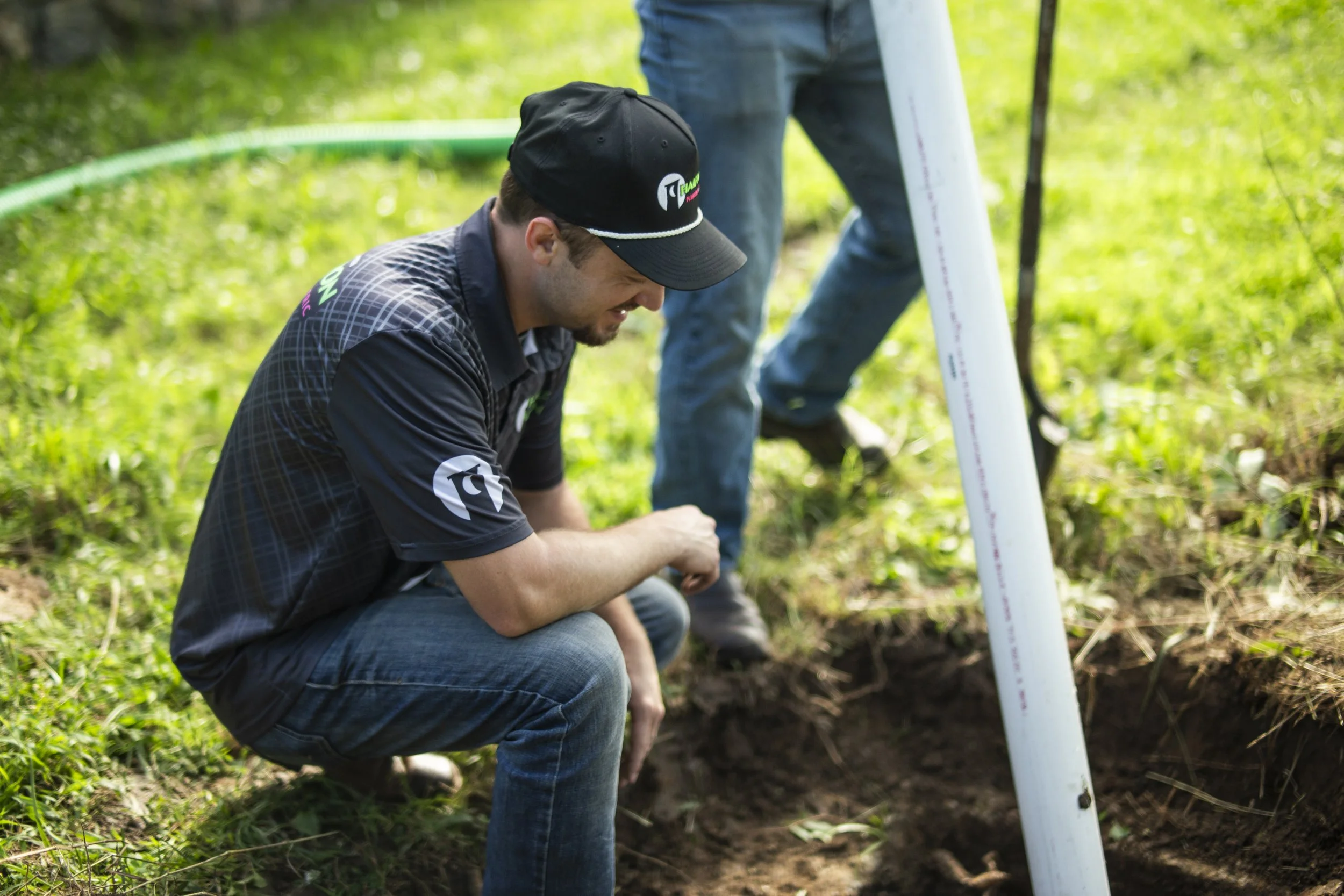
A well-cared-for septic system usually lasts 25 to 40 years, and in many cases longer. The tank itself, especially a concrete or modern plastic one, can outlive that range. The part that almost always gives out first is the drain field, and its life depends far more on how the system was treated than on how old it is. The two biggest levers you control are routine pumping and what you send down the drain, both of which start with a system that was designed and installed correctly through good septic system design and installation.
We service systems all over the Tulsa area, and the pattern is consistent: the homes that pump on schedule and watch what goes in get decades of quiet service, while the ones that skip it end up replacing a drain field a decade early. Here is what actually drives the number, so you can land on the long end of that range.
What wears out, and in what order
Think of a septic system as two parts with two very different lifespans. The tank is the durable part. A concrete tank commonly lasts 40 years or more, and quality plastic and fiberglass tanks are built to last as long. Barring damage or corrosion, the tank is rarely the first thing to fail.
The drain field is the part on the clock. It is where treated water disperses into the soil, and over the years the soil can compact, biomat can build up, and the field slowly loses its ability to absorb. A drain field commonly lasts 20 to 30 years, and neglect can cut that in half. When people talk about replacing a septic system, they usually mean the drain field.
What shortens a septic system's life
The fastest way to age a system prematurely is skipping pumping. When the tank is not emptied on schedule, solids build up and start flowing out to the drain field, where they clog the soil and choke off its ability to drain. That single habit is behind most early failures we see.
Overloading the system with water is next. Running laundry, dishwashers, and long showers all day, or having leaky fixtures dump water into the system around the clock, keeps the field saturated and never lets it recover. Sending the wrong things down the drain, grease, wipes, harsh chemicals, and anything labeled flushable that really is not, either clogs the system or kills the bacteria that make it work. Finally, physical stress, like parking or driving over the drain field or planting trees whose roots invade it, does slow damage that shows up years later.
What extends it
The good news is that the same short list, done well, is what carries a system to 40 years and beyond. Pump the tank every three to five years based on your household size. Spread out water use and fix running toilets and dripping fixtures promptly so the field gets time to dry between loads. Keep grease, wipes, and chemicals out of the drains entirely.
Protect the drain field like the expensive asset it is: no vehicles, no structures, and no deep-rooted plants over it. And get the system inspected periodically, since a small issue caught early, a failing baffle or an effluent filter that needs cleaning, is cheap next to a field that has already failed. A regular septic inspection and repair visit is the cheapest insurance a septic owner can buy.
When repair beats replacement
Not every aging system needs to be torn out. A tank with a cracked baffle, a clogged line, or a worn pump can often be repaired for a fraction of a full replacement. Even a struggling drain field can sometimes be rested and recovered if the problem is caught before it fully fails.
The honest call depends on what is actually failing and why, which is why we diagnose before we recommend. Sometimes the answer is a repair and a better pumping schedule. Sometimes a 35-year-old field really is done, and stringing it along just delays the inevitable. Either way, you deserve a straight assessment. You can see everything we handle on our septic services in the Tulsa area page.
Frequently asked questions
How long does a septic tank last compared to the drain field? The tank is the durable part, often 40 years or more for concrete and quality plastic. The drain field is usually the limiting factor at 20 to 30 years, and neglect can shorten that significantly. Most "septic replacement" jobs are really drain field replacements.
How often should I pump my septic tank to make it last? Most households do well pumping every three to five years, though a large family or a smaller tank may need it more often. Regular pumping is the single most important thing you can do to protect the drain field and extend the whole system's life.
Can an old septic system be repaired instead of replaced? Often, yes. Cracked baffles, worn pumps, and clogged lines are repairable, and a tired drain field can sometimes recover with rest and better habits. A proper inspection tells you whether a repair will hold or whether replacement is the smarter money
What is the most common reason septic systems fail early? Skipped pumping. When solids are not removed on schedule, they flow into the drain field and clog the soil, which is the beginning of most premature failures. It is also the most preventable cause on the list.
Want your system to reach the long end of that range?
Whether you have a new system you want to protect or an older one you are not sure about, a quick inspection and the right pumping schedule can add years. Half Moon Plumbing and Electric serves septic owners across the Tulsa area.
Call Now: 918-205-2487 Book Online: schedule a septic inspection in a couple of clicks.