
Save Energy This Winter with Effective Pipe Insulation Tips
Frozen pipes and plumbing-related heat loss happen when warm air leaves pipe surfaces or when water drops below freezing and expands, causing clogs or bursts that waste energy and lead to expensive repairs. This guide breaks down how freezing occurs, offers prevention steps tuned to Tulsa and Owasso weather, and shares energy-smart plumbing practices that cut bills and protect your home. You’ll learn where to look for vulnerable runs, how to pick the right insulation, simple water heater maintenance that improves efficiency, and how to winterize outdoor faucets and frost-proof hydrants. We pair common DIY fixes with clear guidance on when a licensed technician is the smarter, safer choice. Where we recommend professional help, we give an easy next step. The sections that follow include prevention checklists, a materials comparison, water heater maintenance priorities, step-by-step spigot winterization, emergency warning signs and response tips, and how a proactive VIP maintenance plan prevents breakdowns. Targeted local terms like pipe insulation, prevent frozen pipes Tulsa, water heater flush Tulsa, and frost-proof hydrants are woven throughout the guide to help homeowners find the right local solutions.
TL;DR
Prevent Costly Damage: Learn how to stop frozen pipes and plumbing heat loss, saving energy and avoiding expensive repairs.
Identify Vulnerable Areas: Discover high-risk pipes in crawl spaces, attics, garages, and exterior walls.
Choose Effective Insulation: Compare materials like foam sleeves, elastomeric rubber, and fiberglass wrap, plus safe heat tape use.
Optimize Water Heater Efficiency: Understand the importance of annual flushing and setting the ideal temperature (120°F).
Winterize Outdoor Plumbing: Follow steps to drain and cover outdoor faucets, or consider installing frost-proof spigots.
Recognize Emergency Signs: Know when to call for professional help for frozen or burst pipes, and what to do before they arrive.
Proactive Protection: Explore VIP membership for scheduled maintenance, priority service, and year-round peace of mind.
How can homeowners in Tulsa and Owasso prevent frozen pipes this winter?
Stopping frozen pipes starts with recognizing that cold air and poor insulation let pipe temperatures fall until the water inside freezes and expands: often causing energy loss, blockages, or burst pipes. In Tulsa and Owasso, the biggest risk runs from late fall through early spring during temperature swings and occasional deep freezes. The most reliable strategy is layered: insulate exposed piping, seal drafts where pipes pass through exterior walls, and add controlled heating where insulation cannot do the job alone. Homeowners who combine insulation, properly installed heat tape where appropriate, and sensible thermostat practices see fewer freeze events and less wasted heat from plumbing runs. The next sections point out common trouble spots and list DIY steps you can take safely before calling in a pro.
What are the most vulnerable areas for pipe freezing in homes?
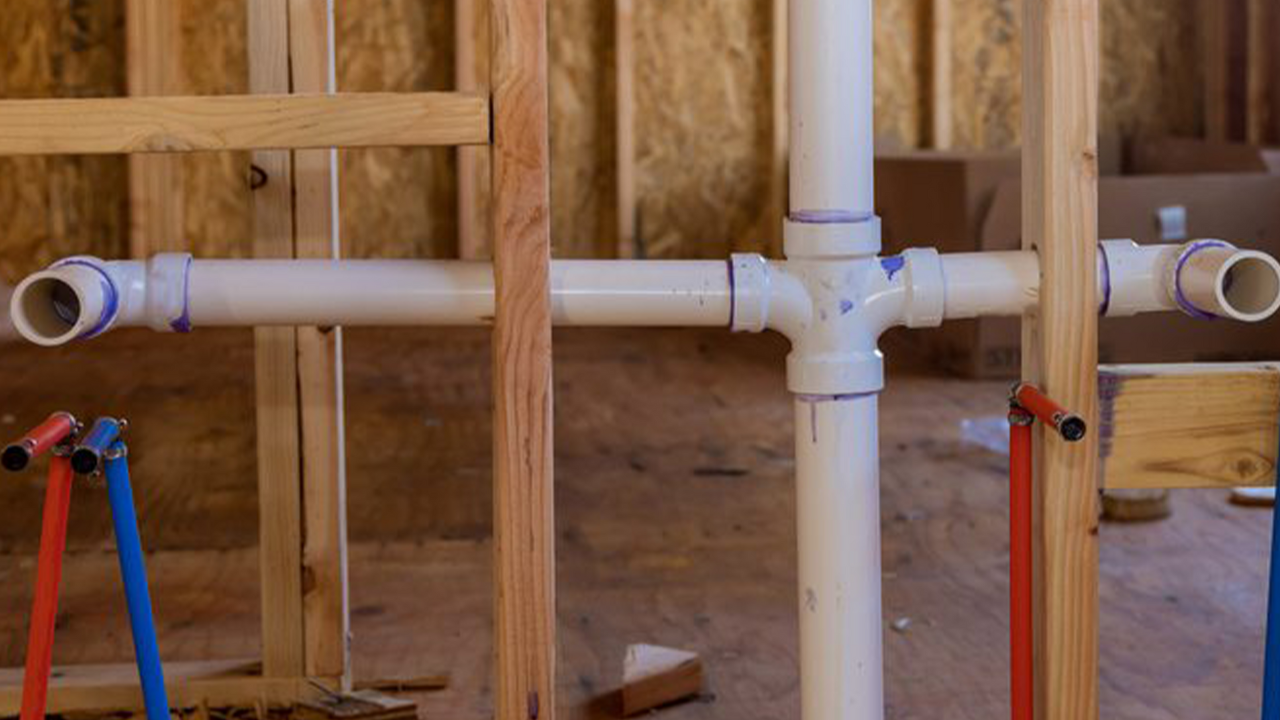
Pipes most likely to freeze run through crawl spaces, attics, garages, exterior-facing walls, and uninsulated basements: places exposed to colder air or thermal bridging. Plumbing inside unheated closets or under sink cabinets can also freeze when outside temps plunge because those pockets get little protection from the building envelope. To check risk quickly, feel exposed water lines for cold spots, look for frost or condensation on pipes, and inspect where piping passes through rim joists or sill plates for gaps or thin insulation. Addressing the coldest points first, with targeted insulation or air sealing, gives the biggest reduction in freeze risk. Knowing where freezes start makes DIY protection easier and more effective.
Which DIY methods effectively prevent frozen pipes?
Good DIY freeze protection adds thermal resistance, blocks drafts, and keeps low-level heat where needed, while prioritizing safety. Common, homeowner-friendly options include:
Putting foam pipe insulation sleeves on exposed indoor pipes
Using UL-listed heat tape or cable exactly per manufacturer instructions (no jury-rigged electrical work)
Leaving a slow drip from faucets during extreme cold to prevent standing water from freezing
Sealing gaps where pipes penetrate exterior walls to stop cold-air intrusion
Safety note: electric heat tape must be UL-listed for plumbing use and installed with a thermostat or controller to prevent overheating; never use open flames or unapproved heat sources. If access is limited, multiple runs are vulnerable, or you’re unsure how to install products safely, a professional winter plumbing inspection is the next sensible step to ensure full coverage and safe installation.
If you’ve tried these steps and still aren’t confident your plumbing is protected, Book a Service Call to schedule a professional winter inspection and get code-compliant solutions.
What are the best pipe insulation solutions to save energy and avoid freezing in Tulsa homes?
Proper pipe insulation reduces heat loss from hot water lines and raises the tolerance of cold lines, which saves energy and lowers freeze risk by keeping pipe surfaces warmer. Choice of material depends on where the pipe is, how exposed it is, and your budget: closed-cell foam works well for indoor exposed runs, elastomeric rubber gives durability and flexibility in mechanical spaces, fiberglass wrap with a vapor barrier suits high-temperature or larger pipes, and electric heat tape is a targeted active solution when used with a thermostat. A smart installation uses higher-R materials where exposure is worst and simpler sleeves where access and cost matter: delivering energy savings and better protection than bare pipes.
What types of pipe insulation materials are most effective?
Closed-cell foam sleeves are a solid first choice for many indoor uses: they’re easy to install, handle moisture well, and provide consistent thermal protection. Elastomeric rubber is tougher and more flexible: ideal where pipes move or are routed near other equipment and where condensation is a concern. Fiberglass wrap with a vapor barrier is best for hot water lines or oversized pipes where higher R-values and mechanical protection are needed, though it takes more care to install. Heat tape adds active protection by supplying warmth to specific runs; only use approved products with thermostat control to avoid hazards. Pick materials based on pipe temperature, accessibility, and how often freezes occur locally; the right choices lower long-term energy loss and repair risk.
How much does professional pipe insulation cost in Tulsa?
Professional pipe insulation pricing in Tulsa depends on material, linear footage, access difficulty, and whether work requires removing or resealing finished areas. Simple foam-sleeve jobs on exposed runs cost less per foot; insulating pipes inside finished ceilings, walls, or tight crawlspaces raises labor and overall price. Consider an ROI: insulating 100 linear feet of exposed hot water piping with foam or rubber is typically far cheaper than a single burst-pipe repair once you factor in water damage restoration and lost energy. Weigh upfront insulation costs against the risk and expense of freeze damage; pro installation also guarantees consistent coverage and correct use of heat tape where needed.
If you’d like a guaranteed install and an accurate quote for your home’s layout, Book a Service Call for a professional assessment and estimate.
How do energy-efficient water heater maintenance practices help save energy and prevent breakdowns?
Regular water heater maintenance lowers energy use and cuts winter failure risk by removing sediment, checking thermostat accuracy, and making sure insulation is intact so the system runs efficiently. Sediment reduces heat transfer, forces longer run times, and accelerates corrosion: flushing restores efficiency and lowers fuel or electric use. Insulating the tank and hot water pipes reduces standby loss, and setting the thermostat to a sensible temperature prevents overheating and excessive cycling.
Why is annual water heater flushing important for efficiency?
Flushing once a year clears sediment and mineral buildup, especially important in hard-water areas, so heat transfers properly from the burner or element to the water. Sediment makes the heater run longer, increases energy use, and accelerates wear on components, which raises the risk of mid-winter failures. A flush is relatively quick and can be done by a handy homeowner or a pro who will also check the anode rod and valves. Clearing the tank improves efficiency, reduces noise, slows corrosion, and lowers the chance of unexpected downtime during cold weather: making it one of the highest-impact preventive tasks you can do.
What temperature settings optimize water heater energy use?
Setting your water heater to 120°F (49°C) is a good balance between energy savings, comfort, and scald prevention: lowering a higher setpoint reduces standby loss and saves energy while still meeting most household needs. Households with small children, elderly residents, or immune-compromised members should consider anti-scald devices or slightly different setpoints and consult a pro for tailored advice; contact us if you have special needs. Every 10°F drop typically yields measurable energy savings and reduces wear on the system, but don’t set it so low that it creates other risks. Adjusting seasonally, slightly lower in milder months and steady during heavy use, helps optimize energy use without sacrificing safety.
If you want a professional flush, thermostat check, or to set up recurring preventive work and priority scheduling, Book a Service Call for water heater service and to learn about our VIP Membership benefits.
How should homeowners winterize outdoor spigots and frost-proof hydrants in Owasso?
Winterizing outdoor spigots prevents freeze damage at exterior connections by draining lines and adding insulation; or by installing frost-proof spigots that place the shutoff valve inside the building envelope. A frost-proof spigot has a long stem so the valve sits further inside the wall, reducing trapped water where freezing can occur. Good winterization combines simple homeowner steps with options for long-term upgrades. Removing hoses, draining components, and fitting certified covers all help stop ice that can travel back into interior plumbing. The how-to below explains the DIY sequence and when a professional frost-proof installation is the better long-term choice.
What are the steps to properly winterize outdoor faucets?
Follow these steps each fall: shut off the interior supply valve if your home has one, open the exterior faucet to drain remaining water, remove and store hoses dry, empty any drainable vacuum breakers, and fit an insulated faucet cover to reduce cold exposure. Many homes have an interior shutoff in a utility area: closing that valve and then opening the outside faucet lets trapped water exit and prevents pressure buildup that can cause bursts. Use purpose-made insulated covers instead of improvised materials and inspect the spigot for leaks before temperatures fall below freezing. Doing this yearly is a quick, effective first line of defense before deciding on a frost-proof upgrade.
Materials, tools, and quick time estimate for winterizing outdoor faucets:
Shutoff tool or wrench, insulated faucet cover, bucket or towel for drainage
Typical time: 10–30 minutes per faucet depending on access and whether an interior shutoff is present
How do frost-proof spigots prevent freezing and water damage?
Frost-proof spigots move the operating valve several inches inside the building envelope so water in the exterior stub-out can’t freeze in the valve body; the stem retracts water inward when closed, keeping standing water away from cold points. That mechanical design reduces the need for annual draining and covers, making frost-proof hydrants a low-maintenance choice where outdoor spigots see regular use. Installation requires cutting into the exterior wall and tying into the interior supply, so professional installation is recommended to ensure proper pitch, sealing, and code compliance. For many homeowners, the slightly higher upfront cost pays off by eliminating yearly draining chores and reducing winter risk.
If you want a permanent upgrade or a professional evaluation of exterior spigots and hydrants, licensed technicians can install or replace them. Book a Service Call to schedule an assessment and estimate.
When should you call Half Moon Plumbing for emergency frozen pipe repair in Owasso?
Call a pro when you see signs of frozen or burst pipes, can’t safely restore water, or when temporary DIY fixes don’t stop leaks: these situations need immediate, licensed attention to limit water damage and restore safe plumbing. A fast professional response includes emergency mitigation like shutting off water, controlled thawing where safe, and temporary repairs to limit damage while planning a full fix. Half Moon Plumbing offers 24/7 emergency service with licensed, insured technicians, upfront pricing, and a satisfaction guarantee so homeowners get reliable support when it matters most. Below are warning signs and immediate actions to take before help arrives, plus an overview of our emergency response and how to Book a Service Call.
What are the signs of frozen or burst pipes requiring professional help?
Watch for these warning signs:
No water at faucets on one side of the house
Visible frost or bulging on exposed pipes
Water stains or pooling on ceilings and walls
Sudden drops in water pressure
Visible leaks or wet spots near pipe runs
If you see active leaks, fast-spreading water stains, or structural water entry, shut off the main water supply if it’s safe to do so and contain water with towels or buckets while avoiding electrical hazards. Take photos and note the time and location of the failure to help technicians assess the situation quickly. Do not try to thaw pipes with open flame or unapproved heat sources. These signs call for immediate professional attention to limit damage and perform safe thawing and repairs.
How does Half Moon Plumbing’s 24/7 emergency service protect your home?
Our emergency response starts with triage advice over the phone, then rapid dispatch of licensed technicians who stop active water loss and explain repair options and pricing clearly. Onsite, technicians assess the situation, use safe thawing protocols when appropriate, and provide temporary or permanent repairs based on access and damage: always prioritizing actions that minimize further water and energy loss. Our customer protections, licensed and insured technicians, transparent pricing, and a satisfaction guarantee, help homeowners stay confident during stressful events. Technicians will also recommend preventive follow-up like insulation upgrades or VIP membership enrollment to reduce future risk.
If you have a suspected burst or frozen pipe you can’t handle safely, Book a Service Call to request emergency assistance from trained professionals.
How does the Half Moon Plumbing VIP membership program help save energy and prevent freezing year-round?
Our proactive VIP membership bundles scheduled preventive maintenance and priority response to lower energy waste and the chance of freeze-related failures by catching issues early and keeping systems running efficiently. Typical membership services include annual plumbing inspections, priority scheduling for repairs and emergencies, regular water heater flushes, and targeted preventive work like pipe insulation checks and camera inspections when needed. By combining inspections and priority service, members often avoid costly emergency repairs and see improved system efficiency that trims ongoing energy use. This preventive approach focuses on spotting sediment, corrosion, or insulation gaps early: reducing both energy waste and urgent repairs.
What preventative services are included in the VIP membership?
VIP membership includes scheduled annual plumbing inspections to check for freeze risk, routine water heater flushes to maintain efficiency, drain or camera inspections when blockages are suspected, and priority access to shorten response times during critical events. Each service delivers a clear preventive benefit: inspections find insulation gaps or small leaks, flushes restore heater efficiency, and camera inspections reduce invasive exploratory work by pinpointing issues early. Those touchpoints create a year-round maintenance rhythm that lowers cumulative risk, keeps systems efficient, and documents your home’s plumbing condition for predictable care.
How does proactive maintenance reduce energy costs and avoid plumbing emergencies?
Proactive maintenance saves energy by keeping heat transfer efficient and by fixing small issues, like sediment buildup, pinhole leaks, or missing insulation, before they become emergencies. For example, an annual water heater flush improves heat exchange and can cut energy use by restoring normal cycle times, while insulating pipes reduces standby heat loss and lightens the load on your heating system. A modest annual investment in inspections and targeted insulation often prevents a single burst-pipe event whose repair and restoration costs can be many times higher, while ongoing energy savings add up over the years. Preventive care also extends system life and reduces emergency calls, delivering both financial savings and peace of mind.
Membership and preventive scheduling are available for homeowners who want predictable service and priority care; to enroll or book your first preventive visit, Book a Service Call with Half Moon Plumbing and ask about the VIP Membership program and included services.
Save Energy Now
Taking a few practical plumbing steps can greatly reduce the chance of frozen pipes and wasted energy, keeping your home safe and efficient all winter. By learning where your system is vulnerable and using the right insulation and maintenance practices, homeowners in Tulsa and Owasso can prevent costly failures and lower energy bills. For tailored recommendations and professional help, schedule a winter plumbing inspection with our experienced team. Take action now to protect your home, and enjoy a worry-free winter.