
A new septic system is one of the bigger checks a homeowner ever writes, and the price swings more than almost anything else in home services. The tank is the easy part. The soil under your yard, the type of system Oklahoma will let you put in, and how much digging the lot needs decide most of the bill. If you are building out in the county or replacing a system that has finally given up, our septic system design and installation team can walk the property and tell you what it will take.
Here is what drives the cost, what the national ranges look like, and how long the whole thing usually takes from first call to a working system.
What a new septic system costs
National cost guides put a typical conventional system somewhere around $5,000 to $15,000 installed, and an aerobic system higher, often $10,000 to $20,000 or more. Those are national numbers, not a quote, and they hide a lot. Two houses on the same road can land thousands of dollars apart because the dirt is different.
What actually moves the number:
The type of system your soil allows. This is the big one. In Oklahoma, the Department of Environmental Quality permits the system, and the soil decides which designs are on the table. A conventional tank and drain field is usually the least expensive. If the soil is heavy clay, shallow to rock, or sits too close to groundwater, you may be looking at an aerobic treatment unit or another engineered design, and the price climbs.
Tank size. Bigger homes need bigger tanks and more drain field. Sizing is driven by bedrooms, not square footage. Our guide on what size septic tank you need covers how that math works.
Site work. Trees to clear, a long run from the house to the tank, a sloped lot, rock that has to be broken up. Every one of those adds machine time.
Replacement vs. new construction. Replacing a failed system can cost more than putting one in on raw land, because the old tank has to be pumped and abandoned or removed and the new field usually has to go somewhere the old one is not.
Permits and the soil profile. Oklahoma requires a soil profile by a DEQ-certified soil profiler before a system is designed. That is a separate, smaller cost, and it is money well spent because it tells you which system you can install before anyone starts digging. If you want that answer for your lot, you can book a septic site visit online and we will start there.
Conventional vs. aerobic: why it changes the price
A conventional system lets the soil do the treatment. Wastewater settles in the tank, and the liquid flows out to trenches where the ground filters it. Simple, fewer moving parts, lower upfront cost.
An aerobic system adds air pumps and treatment chambers, so the water leaving the tank is much cleaner. That lets it work on sites where a conventional field would fail, and many aerobic systems in Oklahoma discharge through sprinkler heads instead of buried trenches. The trade-off is a higher install price and ongoing aerobic septic system maintenance, since the aerator, alarms, and chlorinator all need attention.
If you are trying to decide between the two, we wrote a full comparison of aerobic vs. conventional septic systems for Oklahoma homes.
How long a new septic installation takes
The digging is often the fastest part. The paperwork and the weather set the pace.
Step one: site visit and soil profile. Someone has to look at the lot and dig test holes so a certified profiler can read the soil layers. Plan on about a week or two, depending on scheduling.
Step two: design and permit. The system is designed around the soil results, house size, and lot layout, then submitted to DEQ. Approval time varies, so ask about it up front instead of assuming.
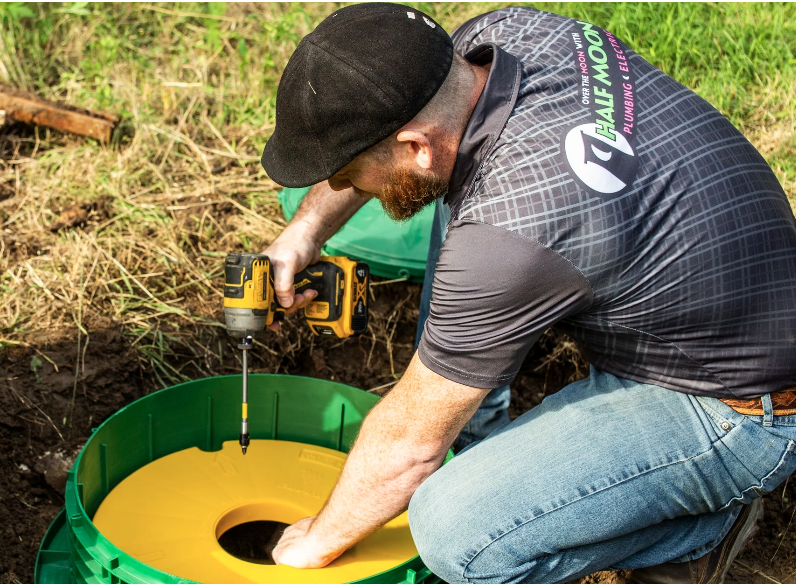
Step three: installation. On a straightforward lot, the install itself commonly takes a few days. Rock, a tight lot, or a complex aerobic setup can stretch it longer.
Step four: inspection and backfill. The system gets inspected before it is covered, then the yard is graded back.
Rain matters here more than people expect. Saturated Oklahoma clay cannot be trenched properly, and installing in mud can damage the soil the field depends on. A good installer will wait a few days rather than smear the trench walls and shorten the life of a brand new system.
How to keep the cost from surprising you
Get the soil profile done early, before you fall in love with a site plan or a budget number. Ask for the quote in writing with the system type spelled out. Ask what is included: permit, tank, field, backfill, seeding, and haul-off of the old tank if this is a replacement. And ask what maintenance the system will need for the next twenty years, because a cheap install that needs constant service is not cheap.
We give upfront pricing with options before any work starts. No surprises, which is how we would want it done at our own house.
Frequently asked questions
How much does it cost to replace a septic system in Oklahoma?
It depends mostly on the soil and the type of system it allows. National guides commonly put conventional systems around $5,000 to $15,000 and aerobic systems higher. Replacement can run more than new construction because of removal and relocating the drain field. A site visit and soil profile are the only way to get a real number.
Do I need a permit to install a septic system in Oklahoma?
Yes. New and replacement systems are permitted through the Oklahoma Department of Environmental Quality, and a soil profile from a DEQ-certified soil profiler comes first.
How long does it take to put in a new septic system?
The install itself is often a few days. From the first site visit through soil testing, permitting, installation, and final inspection, plan on several weeks, more if the weather is wet.
Is an aerobic septic system worth the extra cost?
When the soil will not support a conventional drain field, an aerobic system may be the only approved option, so the question answers itself. When both are allowed, conventional usually wins on cost and upkeep. Your soil profile is what settles it.
How long does a new septic system last?
A well-maintained system commonly lasts decades. Regular pumping and keeping water use reasonable do more for the lifespan than anything else.
Planning a new system or replacing an old one?
Start with a conversation, not a price sheet. Half Moon Plumbing and Electric handles septic design, installation, pumping, and repair across the Tulsa area, and we will be straight with you about what your property needs. You can see the full list on our septic services page.
Call Now: 918-205-2487. Phones are answered around the clock.
Book Online: schedule a septic site visit at a time that works for you.