
Expert Water Heater Repair Solutions for Homeowners in Need
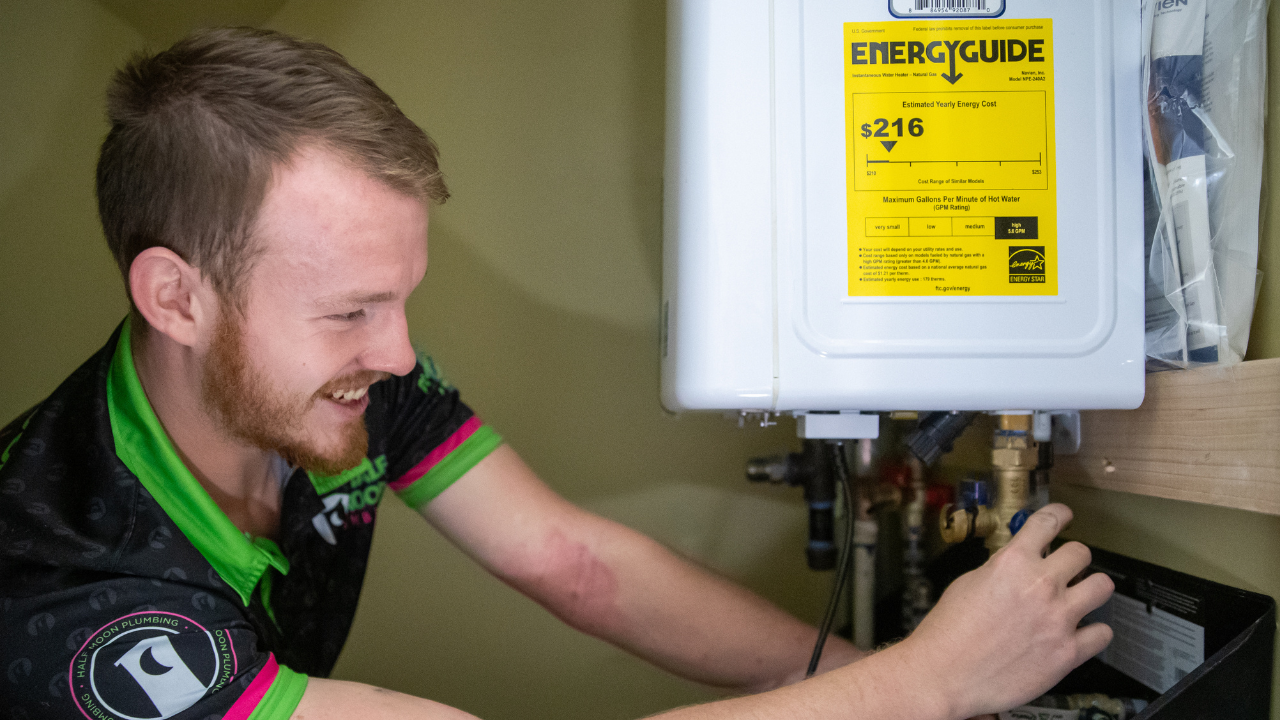
Ensuring your home has a reliable water heater system is vital for everyday comfort and convenience. Water heaters, whether they are tank or tankless, provide hot water for cooking, cleaning, and bathing. This comprehensive guide will equip homeowners with essential knowledge about water heater installation and repair. It addresses common installation processes, frequent repair issues, maintenance tips, and how to select the right system for your home, enabling you to make informed choices. Additionally, professional plumbing support can ensure safe and efficient installation or repairs. By understanding these aspects, homeowners can save money and avoid unnecessary complications over the lifespan of their water heater.
Comprehensive Guide for Homeowners on Water Heater Installation & Repair
Understanding how different types of water heaters function is crucial for making informed decisions regarding their installation and maintenance. Homeowners will benefit from distinguishing between conventional tank water heaters and tankless options. This guide emphasizes the importance of assessing your household's hot water needs and plumbing requirements when selecting a system. By gaining familiarity with water heater operations, maintenance becomes more manageable, and you can ensure longevity in performance.
Understanding Water Heaters
Water heaters are devices that heat water for residential use, either through storage (tank) or instantaneous (tankless) methods.
Types of Systems:Tank Water Heaters: These store hot water in a tank for immediate use, generally requiring more space and having a specific capacity.Tankless Water Heaters: Known for their energy efficiency, these heat water on demand without storage, thus saving space and reducing energy costs.
Key Components: Essential parts include the thermostat, which regulates water temperature, and the heating element responsible for heating water. Understanding these components can greatly assist in troubleshooting issues.
Efficiency Levels: Assessing the energy efficiency of a water heater is critical. This often involves looking at the Energy Factor (EF) rating, which indicates the efficiency of the system.
Installation Process
The installation of a water heater involves several vital steps that ensure optimal functioning:
Assessment of Existing Systems: Before installation, it's vital to evaluate your current setup to determine compatibility with the new unit.
Professional Installation Benefits: Professional installation is recommended to comply with local building codes and ensure safety, as improper installations can lead to gas leaks or electrical hazards.
Steps from Preparation to Testing: The process includes removing the old unit, making necessary plumbing and electrical adjustments, installing the new heater, and conducting post-installation testing to ensure everything is functioning correctly.
For optimal results, enlisting the services of a professional plumbing company can help navigate the complexities of installation, ensuring adherence to safety standards.
Common Repair Issues
Over time, water heaters may face common repair issues that can disrupt hot water supply. Recognizing these problems early can prevent larger, costly failures.
Leaking Tanks: Often indicative of sediment buildup or corrosion within the tank, leaks can lead to significant water damage if not addressed promptly.
Heating Element Failures: When a heating element malfunctions, it can prevent the tank from reaching the desired temperature, necessitating replacement.
Thermostat Issues: A faulty thermostat may lead to inconsistent water temperatures, signaling that adjustments or replacements are necessary to restore proper function.
Understanding troubleshooting methods, such as checking valves and connections, can help alleviate some immediate concerns, while professional intervention is advisable for persistent issues.
Maintenance Tips
Regular maintenance of your water heater maximizes efficiency and prolongs its useful life. Here are several maintenance strategies:
Regular Inspections: Performing periodic inspections can help identify minor issues before they escalate into significant problems. This includes checking for leaks, rust, and sediment buildup.
Flushing the Tank Annually: This process removes sediment that accumulates at the bottom of the tank, improving efficiency and prolonging the heater's lifespan.
Anode Rod Monitoring: Checking the anode rod's condition regularly can prevent rust and corrosion within the tank, ensuring that your system remains in good working order.
By staying proactive with maintenance, homeowners can avoid larger repair expenses down the road.
Selecting the Right Water Heater

Choosing the correct water heater for your home involves evaluating several important factors:
Assess Household Hot Water Needs: Understanding demand is key; consider the number of bathrooms and occupants in your home to ensure capacity matches usage.
Evaluate Energy Sources: Different types of heaters may utilize electricity, natural gas, or solar energy, which can affect operating costs and efficiency—select based on availability and preferences.
Consultation with Professionals: Speaking with plumbing professionals can clarify the best options based on your specific needs, potentially saving you time and resources in the long run.
For homeowners, selecting the optimal water heating system requires considering various factors, including energy usage and cost-effectiveness.
Choosing the Best Residential Water Heating System
ABSTRACT: Water heating is a ubiquitous energy use in all residential housing, accounting for 17.7% of residential energy use (EIA 2012). Today, there are many efficient water heating options available for every fuel type, from electric and gas to more unconventional fuel types like propane, solar, and fuel oil. Which water heating option is the best choice for a given household will depend on a number of factors, including average daily hot water use (total gallons per day), hot water draw patterns (close together or spread out), the hot water distribution system (compact or distributed), installation constraints (such as space, electrical service, or venting accommodations) and fuel-type availability and cost. While in general more efficient water heaters are more expensive than conventional water heating technologies, the savings in energy use and, thus, utility bills can recoup the additional upfront investment and make an efficient water heater a good investment over time in most situationsImpacts of water quality on residential water heating equipment, 2013
Service Options
Choosing reliable plumbing services is crucial for ensuring a successful water heater installation or repair. Consider these factors while selecting a service provider:
Find Companies Specializing in Installations: Look for local providers that offer installation as a primary service to ensure expertise and proper execution.
Importance of Licensing and Insurance: Verify that your chosen plumber is licensed and insured, protecting you from liability in the event of accidents during installation.
Warranties and Emergency Repair Options: Opt for a service that provides warranties on work done and offers emergency repair services, ensuring peace of mind in case of urgent issues.
With reliable local providers specializing in plumbing and electrical services, homeowners can find support for their water heating needs.
Cost Considerations
Understanding the costs associated with water heater installation and maintenance can help budget effectively:
Factor in Installation Costs: These can vary significantly based on the type of unit and complexity of the installation. Always ask for a detailed estimate before proceeding.
Long-term Savings with High-Efficiency Units: Investing in an energy-efficient model may result in higher upfront costs but can lead to significant savings on utility bills over time.
Understanding Pricing Variations: Prices can change based on brand, model, and the nature of the installation; thus, it’s important to shop around and explore various options.
This knowledge equips homeowners to make financial decisions regarding their water heaters more effectively.
Warranty and Support
Warranties and maintenance plans play a crucial role in safeguarding your investment in a water heater. Key considerations include:
Benefits of Professional Warranty Coverage: When installing a new heater, consider warranties that cover both parts and labor to protect against unexpected failures.
Routine Maintenance Plans: Some plumbing services offer maintenance plans that can help keep your heater running efficiently and prevent unexpected breakdowns.
Protection Against Unexpected Failures: A solid warranty can provide peace of mind, alleviating concerns over potential repair costs that could arise from unforeseen issues.
Understanding these elements helps homeowners navigate their options regarding warranties and maintenance support effectively.
For homeowners seeking reliable plumbing services in their vicinity, understanding the service area of local providers is essential to ensure timely and efficient support.
Ready to Upgrade or Repair Your Water Heater?
Water heaters are an essential component of modern home comfort, and understanding their installation, maintenance, and repair can significantly enhance their performance and lifespan. By selecting the right system, maintaining it properly, and choosing trusted professional services, homeowners can enjoy reliable hot water while optimizing energy efficiency and costs. Staying informed and proactive ensures that your water heater meets your household’s needs safely and effectively for years to come.
Don't wait until your water heater fails. Contact our expert plumbing team today for professional installation, repair, and maintenance services that keep your home comfortable and efficient.