
Essential Guide to Sewer Line Repair for Homeowners
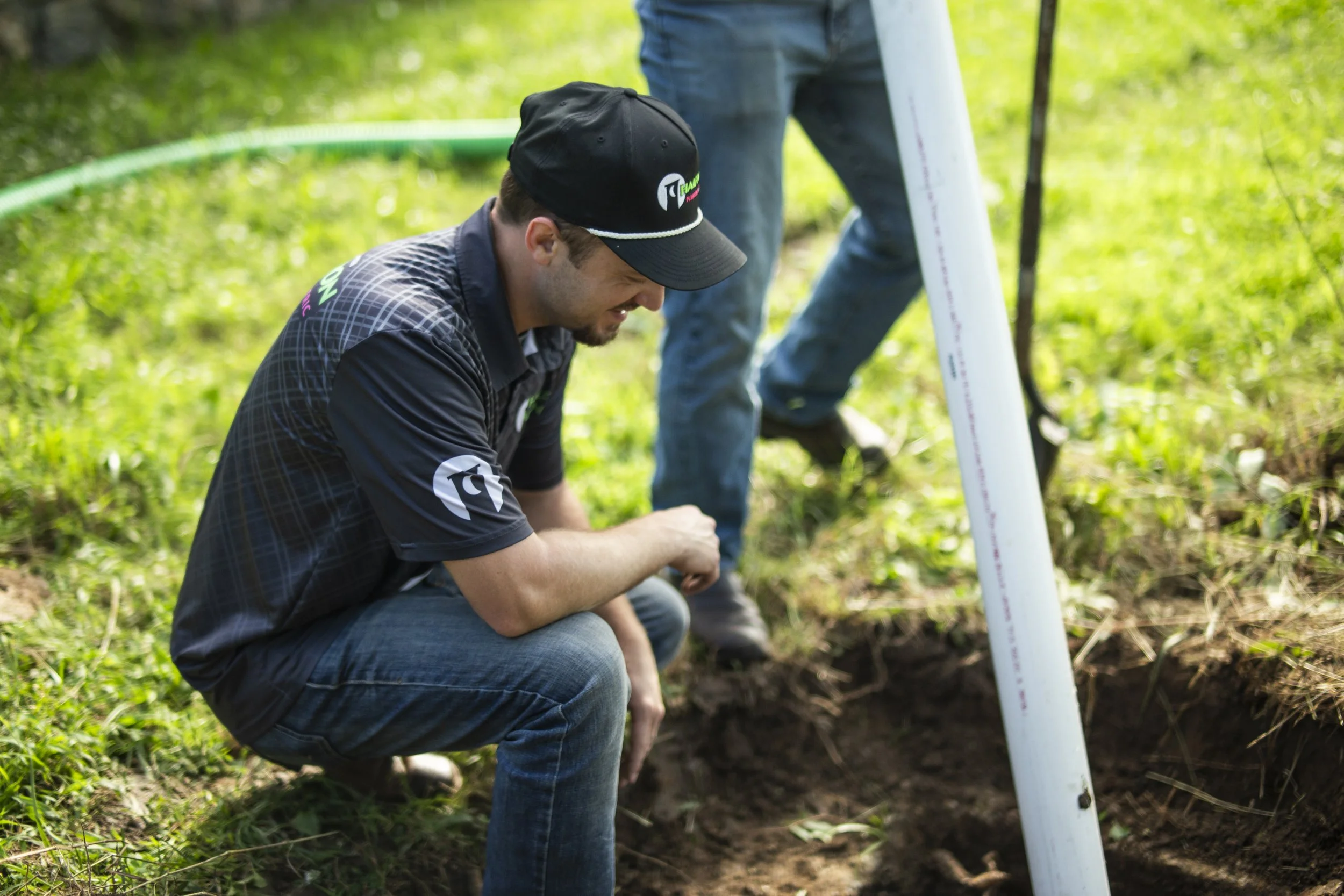
Sewer line issues can be a homeowner's worst nightmare. Understanding the intricacies of sewer line repair and replacement is crucial for maintaining a healthy plumbing system and avoiding costly emergencies. This article will delve into various aspects of sewer line repair, replacement processes, and essential maintenance tips that homeowners must know. By recognizing the signs of sewer line distress early and knowing how to respond, homeowners can mitigate severe damage and protect their property. In addition, we will explore sewer camera inspections and trenchless methods, highlighting their benefits.
Sewer Line Repair and Replacement Guide for Homeowners
A sewer line is an essential component of any home's plumbing system, responsible for transporting waste away from the house. Over time, sewer lines can experience damage, leading to potential health hazards and significant property damage. Having knowledge about sewer line repair options is fundamental for homeowners. Various methods exist for addressing sewer line issues, ranging from simple repairs to complete replacements. Regular maintenance, such as yearly inspections, can help identify problems before they escalate.
Signs of Sewer Line Issues:
Common signs indicating sewer line problems include:
Slow Drains: If water is draining slowly in multiple fixtures, it may indicate a blockage in the sewer system.
Foul Odors: Unpleasant smells, especially near drains or in the yard, can signal sewage leaks.
Lush Patches of Grass: Overly green patches in the yard may indicate a sewer leak nourishing the grass.
Recognizing these symptoms early is vital for preventing extensive damage and costly repairs.
Repair Options:
When sewer lines require repair, homeowners have several options:
Traditional Excavation: This involves digging up the damaged section of the pipe for replacement, which can be disruptive.
Trenchless Repair: This innovative method involves minimal digging. Instead of excavating, plumbers use specialized equipment to repair or replace the pipes from inside.
Choosing the right repair method depends on the severity of damage, the location, and the homeowner's budget. Trenchless methods often result in less disruption and quicker turnaround times.
Replacement Processes:
Replacement of sewer lines becomes necessary in cases of extensive damage or persistent blockage. The replacement process generally involves:
Assessment: A thorough check of the sewer lines using camera inspection to pinpoint issues.
Permits: Securing necessary permits from local authorities to ensure compliance with regulations.
Excavation: Digging up the old pipes if traditional replacement is chosen.
Installation: New pipes are laid, and the site is restored.
Understanding the complete replacement process helps homeowners make informed decisions regarding their plumbing systems.
Cost Considerations:
The cost of repairing or replacing a sewer line can vary widely. Many factors influence these costs, including:
Severity of Damage: More extensive damage will naturally result in higher costs.
Location: Urban areas may have different pricing structures compared to rural locations.
Method of Repair: Traditional repairs tend to be more expensive due to labor costs and disruption.
Many homeowners find financing options available for major repairs, which can alleviate some of the immediate financial burden.
How Can Sewer Camera Inspection Identify Problems Early?

Sewer camera inspections are a modern method to diagnose issues within sewer lines without invasive procedures. Utilizing high-resolution cameras, technicians can inspect pipes for blockages, cracks, and other issues. The ability to visualize the condition of the sewer line allows for more accurate repairs and can prevent costly damage by identifying problems early.
What Is Sewer Camera Inspection and How Does It Work?
Sewer camera inspections involve inserting a waterproof camera into the sewer line through a cleanout or plumbing fixture. This process helps identify broken pipes, blockages, and the overall condition of the sewer system, minimizing unnecessary excavation.
Which Sewer Line Issues Are Detectable with Camera Inspection?
Common issues detectable via camera inspection include:
Blockages: Identification of buildup from roots, grease, or foreign objects.
Cracks and Leaks: Visual evidence of line fractures or deteriorating joints.
Corrosion: Signs of aging and corrosion in older pipes that may require replacement.
These insights facilitate targeted repairs, save time, and reduce costs.
What Are the Benefits of Trenchless Sewer Replacement Methods?
Trenchless sewer replacement methods come with several advantages, making them increasingly popular:
Minimal Disruption: Unlike traditional methods, trenchless replacements require little digging, preserving landscaping.
Cost-Effective: Reduced labor and restoration costs contribute to lower overall expenses.
Faster Installation: The trenchless method allows quicker repairs, often completed in a day or two.
These methods are particularly advantageous for urban settings where space is limited.
How Does Trenchless Sewer Repair Minimize Property Disruption?
Trenchless sewer repair uses advanced technology to minimize property disruption. By drilling small access points, technicians can pull new pipes or coatings through existing ones, substantially reducing the need for extensive digging. This technique respects the integrity of the surrounding environment. For homeowners in specific areas, it's beneficial to know that local plumbing services can offer these specialized trenchless solutions.
When Is Trenchless Replacement the Recommended Repair Option?
Trenchless replacement is recommended in scenarios such as:
Minimal surface disruption required: Homeowners seeking to avoid landscaping disturbances.
Extensive root intrusion: Cases where roots have significantly damaged potential access points.
Lengthy pipe sections needing replacement: Where long runs of pipe need work without creating multiple surface disruptors.
Understanding when to utilize trenchless replacement can be crucial for a timely and cost-effective resolution.
What Are Typical Costs and Financing Options for Sewer Pipe Replacement?
Homeowners often seek information on the costs associated with sewer pipe replacement to plan effectively. The average cost ranges from $3,000 to $25,000, and these figures fluctuate based on the methods employed and severity of damage. Exploring expert sewer line repair is a significant step for any homeowner facing these issues.
What Factors Influence the Cost to Repair or Replace Sewer Lines?
Factors impacting costs include:
Age and Material of Existing Pipes: Older or more fragile materials may elevate replacement costs.
Accessibility: If the sewer lines are difficult to access, this can increase labor costs significantly.
Repair versus Replacement Needs: Deciding whether to repair or replace directly affects budgeting.
While initial capital costs might differ, the overall life-cycle costs between sewer rehabilitation and complete replacement appear to be similar, warranting careful consideration of both options.
Sewer Rehabilitation vs. Replacement: Life-Cycle Cost Analysis
This paper presents an evaluation of the decision making process for evaluating sewer rehabilitation versus sewer replacement. Historical data from multiple communities were used to evaluate capital cost and life cycle cost of the difference between utilizing sewer rehabilitation versus sewer replacement. A cost and benefit analysis was also performed to determine non-monetary factors which could weigh into the decision making process. Sewer rehabilitation was found to have lower initial capital costs, but life-cycle costs between the two alternatives are similar. Evaluation of Life-Cycle Costs and Cost/Benefit Analysis in Comparing Sewer Replacement versus Sewer Rehabilitation, 2013
Each factor plays a crucial role in understanding the financial responsibilities of maintaining or restoring sewer systems.
What Financing Solutions Are Available to Support Sewer Repairs?
Homeowners should explore various financing solutions available for managing sewer repairs:
Home Equity Loans: Using existing home equity for repairs.
Personal Loans: Traditional bank loans for smaller repair projects.
Payment Plans: Many plumbing services offer financing to spread out payments, making it more manageable.
Exploring these options can help facilitate timely repairs without overwhelming financial strain.
How Can Homeowners Maintain Sewer Lines and Recognize Warning Signs?
Regular maintenance of sewer lines is integral to preventing costly repairs. Homeowners can follow several best practices to maintain their sewer systems effectively. Services like comprehensive plumbing services are vital for proactive sewer line care.
What Are Common Symptoms of Sewer Line Problems?
Being aware of critical symptoms can help in quick detection and response:
Recurring Clogs: Frequent drain clogs indicating underlying issues.
Strange Noises: Gurgling or bubbling sounds in pipes can signify air trapped in the line.
Water Backups: Any instance of sewage backup should be addressed immediately.
Prompt response to these signs can ensure timely repairs and avoid extensive damage.
What Maintenance Practices Help Prevent Sewer Line Damage?
Best maintenance practices include:
Regular Inspections: Schedule annual inspections for preventative care.
Proper Disposal: Avoid flushing non-degradable items or pouring grease down sinks.
Tree Management: Monitor nearby trees and their root systems that can infiltrate sewer lines.
Implementing these practices can significantly prolong the lifespan of sewer lines and reduce the chances of unexpected failures.
Take Action Today to Protect Your Home’s Sewer System
Maintaining the health of your sewer lines is critical to avoiding costly repairs and preserving your home's value. If you suspect any issues or it's been a while since your last inspection, don’t wait for problems to escalate. Contact Half Moon Plumbing to schedule a sewer camera inspection or discuss trenchless repair options tailored to your needs.