
Discover How Water Hardness Affects Your Home's Health
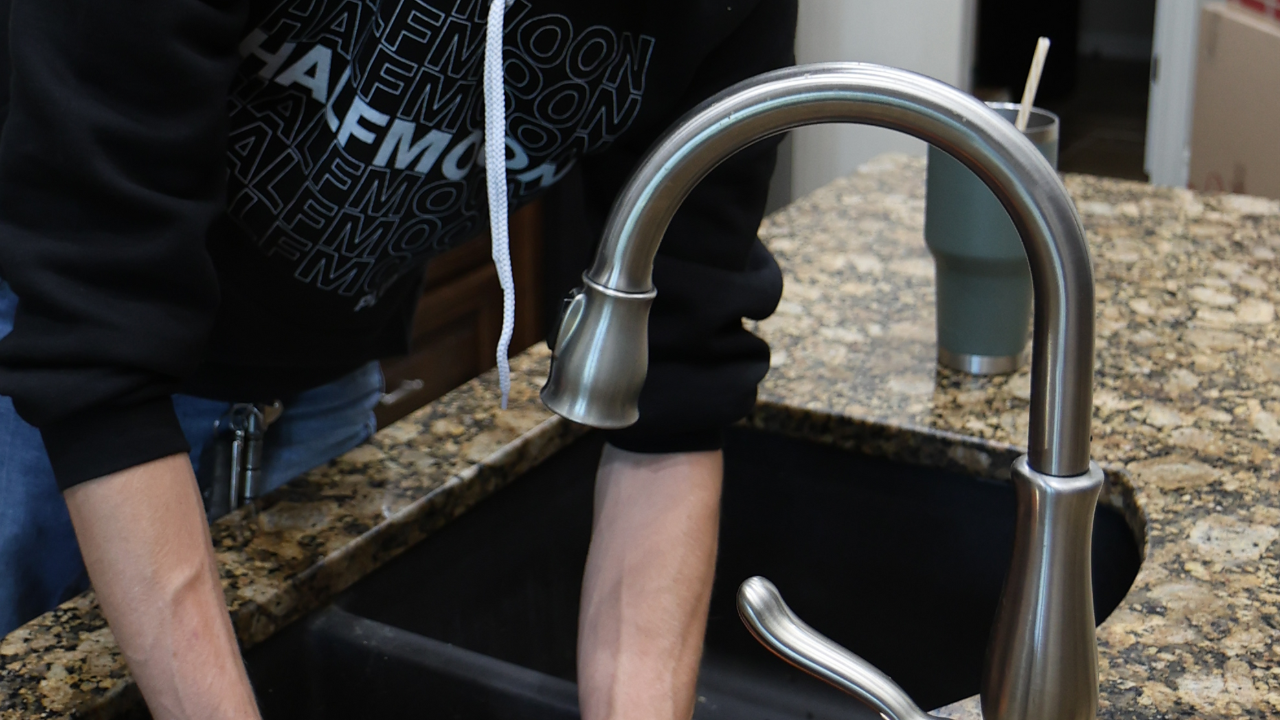
Hard water has higher levels of dissolved minerals—mainly calcium and magnesium—that change how water behaves around your house. This guide breaks down what hard water is, how hardness is measured, the common warning signs Tulsa and Owasso homeowners see, and simple steps to test and treat mineral damage. Many homes in the area deal with scale in pipes, less-efficient appliances, and stubborn stains. We’ll walk you through DIY checks and when to call a pro, compare softeners, filters, and reverse osmosis systems, and explain when plumbing repairs are needed. You’ll also find local service options and membership plans that keep your water systems working right for years.
TL;DR
What it is: Water with high levels of dissolved minerals like calcium and magnesium.
Common problems: Scale buildup in pipes, less efficient appliances, stubborn stains on fixtures and dishes, dry skin/hair, and higher energy bills.
How to check: Look for visible signs, use DIY test kits, or get a free professional water test.
Solutions: Water softeners, whole-home filtration, and reverse osmosis systems can prevent and repair damage.
Local help: Half Moon Plumbing offers testing, installation, and maintenance plans for Tulsa and Owasso homes.
What Is Hard Water and Why Does It Matter for Your Home?
Hard water contains elevated calcium and magnesium ions. When those minerals heat up or react with soap, they form scale that builds on hot surfaces and inside pipes. That scale reduces heat transfer, narrows flow paths, and makes systems less efficient. For homeowners, hard water shows up as slower drains, scaly fixtures, and appliances that use more energy or wear out sooner. Knowing hardness units—parts per million (ppm) and grains per gallon (gpg)—helps turn a DIY test into a practical decision about softeners or filtration.
Which Minerals Cause Hard Water and Where Do They Come From?
Calcium and magnesium cause most household hardness. They enter groundwater as rain filters through limestone, dolomite, and other carbonate rocks. Wells and some local supplies can deliver mineral-rich water to your home. Levels change with local geology and season, so two nearby neighborhoods can test differently. That’s why scale is common on hot equipment like water heaters and why well water often behaves differently than municipal water.
How Does Hard Water Affect Water Quality in Tulsa and Owasso?
In Tulsa and Owasso, measurable hardness is common and usually remains unless you treat it directly. Well water typically shows higher hardness than city-treated water, so local testing is essential before buying equipment. Hardness in this region often leads to scale buildup that calls for solutions ranging from water softeners to whole-home filtration—chosen based on measured ppm or gpg. A test points you to the right system size and approach for lasting protection.
How Can You Spot Hard Water Damage in Your Home?
Hard water causes both visible marks and performance problems across fixtures, appliances, plumbing, and laundry. Catching issues early helps you prioritize repairs and avoid bigger costs. Below are the most common signs and what they usually mean about your home’s hardness level.
White, chalky buildup on faucets, showerheads, and tile that comes back soon after cleaning.
Spotted or cloudy glassware and a mineral film on dishes after a dishwasher cycle.
Slower water flow, gurgling in pipes, or frequent clogs from scale narrowing the inside of pipes.
These symptoms often precede appliance performance drops and higher utility bills, so they’re a good reason to test your water and plan a fix.
How Does Hard Water Damage Appliances Like Water Heaters and Dishwashers?
Scale coats heating elements and tank walls in water heaters, cutting heat transfer and forcing the unit to run longer—using more energy. Dishwashers collect mineral deposits in spray arms and seals, which hurts cleaning performance and can damage pumps or valves. Over time, efficiency drops and repair or replacement becomes more frequent. Occasional descaling helps short-term, but persistent hardness usually needs a preventive system—like a water softener—to protect appliances long-term.
What Plumbing Problems Come From Scale Buildup?
Scale builds up inside pipes and on valves, shrinking the effective diameter and increasing pressure stress on fittings. That leads to lower tap flow, recurring lime-related clogs, and extra wear on pumps and regulators. In extreme cases, scale contributes to pinhole leaks and corrosion in older plumbing, which may require targeted repairs or full repiping. A professional inspection will show whether descaling, a part replacement, or a larger fix is the best value.
How Can You Tell if Stains on Fixtures Are From Hard Water?
Limescale looks like white to off-white chalky deposits, a rough feel on metal, and a dull film on glass and chrome that cleaners can’t fully remove. A quick check is to rub the spot with white vinegar—mineral deposits usually soften or dissolve, which confirms you’re dealing with hardness rather than soap residue. If stains come back within days or weeks, it’s a system-wide hardness problem, and testing and treatment are the right next steps.
What Effects Does Hard Water Have on Skin, Hair, and Laundry?
Hard water reacts with soap and detergent to form insoluble residue that can stick to skin, hair, and fabrics. That residue can leave skin feeling dry, hair looking dull, and laundry feeling stiff. Clothes may fade faster and need more detergent for the same clean. These are comfort and appearance issues that a softener or targeted filtration can often fix quickly.
How Does Hard Water Raise Your Water and Energy Costs?
Hard water raises operating costs by reducing water heater efficiency and making appliances run longer or harder. Mineral scale acts like insulation on heating surfaces, so you use more energy to heat the same amount of water. Clogged pipes and appliances also work less efficiently, and homeowners often use more detergent and cleaners to compensate. When you add higher energy use, extra maintenance, and earlier appliance replacement, investing in the right treatment can often pay for itself over time.
How Can You Test for Hard Water at Home?
Testing ranges from fast DIY strips to full professional lab analysis. DIY kits give a quick estimate in gpg or ppm and help you decide whether to pursue professional testing. Pro tests measure hardness precisely and can screen for iron, manganese, chlorine, pH, and other contaminants—information that matters when choosing and sizing a system. Knowing when to move from DIY to pro testing prevents overspending on the wrong equipment.
DIY vs. Professional Water Tests: What’s the Difference?
DIY test strips are cheap and immediate, offering a useful hardness range but limited detail. Professional tests give exact ppm or gpg values and can include other contaminants that affect system choice and performance. DIY is great for a quick check; professional testing delivers the data you need to size systems correctly and mix treatments when necessary. For major purchases or complicated water profiles, pro data lowers the risk of mistakes.
Why Free Water Testing Matters for Tulsa and Owasso Homeowners
A free professional test removes guesswork by delivering precise hardness numbers and a tailored recommendation that reflects local water conditions in Tulsa and Owasso. Hardness and other water traits can vary block to block, so a no-cost test lowers the chance of buying the wrong equipment. If you suspect hard water is behind appliance problems or stains, a pro test connects the symptoms to the right solution and can reveal other issues that change the recommended system.
Half Moon Plumbing offers free on-site water quality testing for Tulsa and Owasso homeowners as an easy first step toward an evidence-based plan. To schedule an on-site test or follow-up service, homeowners can Schedule a Service Call. Professional testing often finds mixed issues—hardness plus sediment or iron—that affect system choice.
What Are the Best Options to Prevent and Repair Hard Water Damage?

The best approach often combines a whole-home softener, filtration, and a point-of-use reverse osmosis system for drinking water. Softeners target hardness ions, filters handle sediment and chlorine, and RO gives high-purity water at the tap. Choosing among solutions depends on measured hardness, other contaminants present, and whether you prioritize appliance protection or drinking-water purity. Below are the core options with their main benefits to help guide your decision.
Salt-based water softeners: remove calcium and magnesium to stop scale and protect appliances.
Salt-free conditioners: reduce scale buildup by altering mineral behavior, without ion exchange.
Reverse osmosis systems: deliver very pure drinking water and remove many dissolved solids.
Many homeowners pair whole-home softening with a kitchen RO unit to protect plumbing and maintain excellent drinking water.
Consider maintenance needs and costs for each option before choosing the best fit for your house.
How Water Softeners Stop Hard Water Damage
Salt-based softeners use ion exchange: calcium and magnesium swap places with sodium or potassium on a resin bed, so minerals don’t precipitate downstream as scale. The payoff is longer appliance life, fewer clogs, and less frequent descaling. Maintenance is mainly salt or potassium refills and occasional service. Proper sizing—based on accurate hardness and household water use—keeps the system efficient and predictable to operate.
Why Combine Whole-Home Filtration with Reverse Osmosis?
Whole-home filters remove sediment, chlorine, and particulates that can wear out softeners and appliances. Reverse osmosis at a point-of-use removes many dissolved solids, nitrates, and trace contaminants for clean drinking water. Using both gives appliance protection and great-tasting water—especially helpful for well-water homes or where multiple contaminants are present.
When Should You Call a Plumber for Hard Water Damage?
If you have persistent low flow, recurring clogs after cleaning, failing water heaters, or visible corrosion and leaks, call a professional. A typical pro approach includes a diagnostic inspection, targeted descaling or mechanical cleaning, repair or replacement of damaged parts, and a recommendation for long-term water treatment. Addressing both repairs and prevention together avoids repeat calls and lowers lifetime costs for plumbing and appliances.
After repairs, a planned treatment and maintenance schedule prevents future scale problems and extends system life—leading naturally to local service and maintenance options.
The next section explains how Half Moon Plumbing helps with testing, installation, and membership-backed upkeep.
How Half Moon Plumbing Helps Protect Your Home from Hard Water
Half Moon Plumbing offers local, hands-on service: diagnostic water testing, professional installation of water treatment systems (including Kinetico options), and ongoing maintenance plans to prevent future issues. We focus on clear pricing, licensed technicians, and a VIP Membership that bundles inspections and perks for homeowners who want proactive protection. For Tulsa and Owasso residents, our free water test is a low-risk first step that leads to a tailored recommendation and a clear plan of action. Below is what to expect during the process.
What’s Included in Half Moon Plumbing’s Water Quality Test?
Our on-site test measures hardness in gpg or ppm and can screen for regional contaminants to shape a recommended treatment plan. After testing, we give a clear report with system options—softening, filtration, RO—or combinations that match your water profile and priorities. The report includes expected maintenance and a cost-benefit overview so you can decide with confidence. That data-driven approach removes guesswork and helps size systems correctly for lower operating costs.
How Does a Water Softener Installation Work with Half Moon Plumbing?
We start with a site survey and size the system based on your measured hardness and household demand. Recommended units may include Kinetico models. Our technicians install, commission, and verify proper operation, then show you salt refill schedules (for salt systems) and routine checks. Optional maintenance plans keep the system running efficiently and remove the guesswork for homeowners.
Why Join the VIP Membership for Hard Water Care?
Our VIP Membership packages regular inspections and priority support to prevent scale-related failures and reduce emergency costs. Perks include waived service call fees and discounts on major work. Regular checks spot early scale or wear before they become costly repairs. Members also get annual plumbing and water system inspections and complimentary water tests that preserve system performance and maximize long-term value. For homeowners focused on prevention, membership lowers both disruption and cumulative expense over time.
Free testing, pro installation with trusted brands like Kinetico, and membership-backed maintenance combine into a proactive plan that protects your home and reduces lifetime costs.
What Do Tulsa and Owasso Homeowners Say After Treating Hard Water?
Local homeowners report real improvements after treating hard water: clearer glass and fixtures, fewer appliance breakdowns, and lower energy use. Typical benefits include quieter, more efficient appliances, using less detergent and cleaning product, and longer gaps between water heater services. Those results come from less scale and better heat transfer, which together improve comfort and reduce costs. Common outcomes homeowners notice after treatment and maintenance are below.
Lower monthly energy bills as water heaters run more efficiently.
Fewer appliance repairs and longer appliance lifespans.
Fixtures look better and need cleaning less often.
These improvements show why a structured test-and-treat plan usually pays back faster than repeated cleaning or short-term descaling.
How Have Local Customers Benefited from Treatment Services?
After proper system installation, customers often report that dishwashers and washers clean better and that fixtures regain their shine—cutting down on cleaners and descalers. Many see energy savings from improved water heater performance and notice softer laundry and better hair/skin feel after softening. Those tangible benefits translate into fewer emergency calls and lower routine maintenance costs, making the initial investment worthwhile for many homes.
Why Choose Half Moon Plumbing for Hard Water Problems in Tulsa?
Half Moon Plumbing stands out for local focus—serving Tulsa and Owasso—with licensed, insured technicians, transparent pricing, and ongoing training that keeps our crews current on best practices and equipment. Our partnerships with trusted manufacturers like Kinetico back up our recommendations. We also offer 24/7 service for urgent issues and a VIP Membership for proactive maintenance—addressing homeowners’ needs for trust, speed, and predictable costs.
Local expertise: Our techs know Tulsa and Owasso water conditions.
Certified service: Licensed, insured teams deliver dependable installs.
Membership value: VIP plans cut long-term costs and simplify service.
These strengths support a practical path from diagnosis to ongoing care that protects your home from hard water while keeping service predictable.
Protect Your House
Handling hard water in Tulsa and Owasso can extend the life of your plumbing and appliances and lower operating costs. By recognizing the warning signs and choosing the right treatment, you’ll get cleaner fixtures, lower energy bills, and better water quality. Start with a free water quality test to get a plan tailored to your home. Learn how Half Moon Plumbing can help protect your home from hard water damage today.